Ex-Chili's Workers Sue Brinker Over Tip Credit and Discrimination
Three former Chili's servers in Queens sue Brinker International, claiming the tip credit forced female workers and employees of color to tolerate harassment for tips.
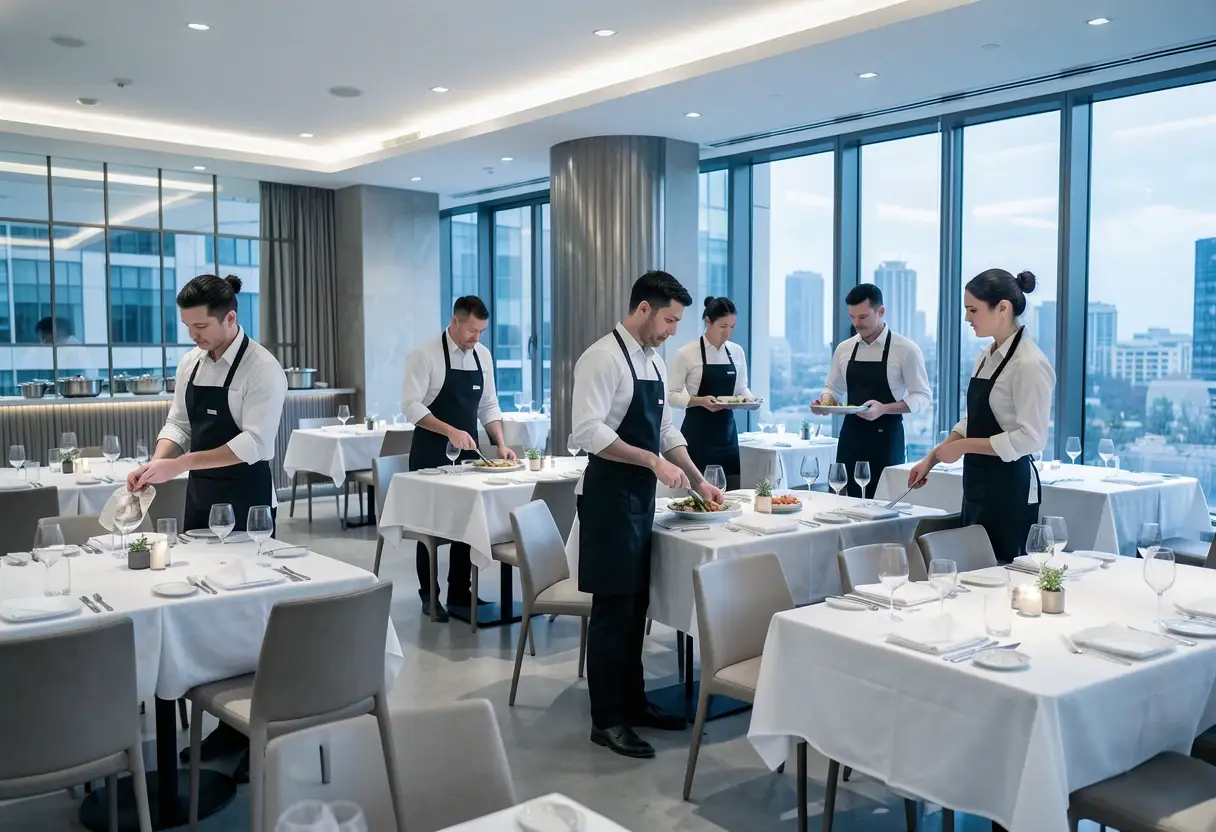
Three former servers at a Chili's in Glendale, Queens, are asking a federal court to bar Brinker International from paying tipped employees a subminimum wage, in a proposed class action that links New York's tip credit system directly to alleged sexual harassment and racial discrimination.
The plaintiffs, who worked at the location for varying periods between 2017 and 2026, filed in the Eastern District of New York. Their core argument: because tipped workers depend on gratuities to reach a living wage, the subminimum wage policy — combined with Chili's customer performance ratings — forces female servers and employees of color to tolerate abusive behavior from customers and neglect from managers.
"Brinker promotes a culture in which tipped service employees make customers 'feel special,' even at the expense of their dignity and safety," the lawsuit alleges. It claims management "perpetuated a work environment where harmful and abusive sexual harassment against female tipped service employees substantially interferes with the ability to do their jobs."
What do the workers allege happened?
The complaint details specific incidents. Customers repeatedly asked servers whether they had boyfriends and asked them out. Employees were required to wear branded t-shirts reading "Big and Crispy" — a nod to the chain's chicken sandwich — across their chests, which drew frequent innuendos about their bodies. One plaintiff says a regular tipped her less than usual after learning she still had a boyfriend.
The racial claims are just as pointed. Managers allegedly accused customers of color of "not tipping as much as white customers" and responded by seating Black and Latino guests in the sections of two Latina plaintiffs.
When workers raised concerns, managers "did nothing," the suit says. One plaintiff whose customer scores dropped lost shifts, was barred from picking up others, and watched her prior shifts go to another server.
The filing argues that because Brinker follows the state tipped wage policy, "in order to make a living wage, these tipped service employees are subject to customers' whims and must stay in their customers' good graces."
Where does federal tip credit law stand?
The regulatory backdrop matters here. The original tip credit rule allowed employers to pay tipped workers as little as $2.13 an hour. The Biden administration replaced it in 2021 with the 80/20 rule, which restricted subminimum pay to hours spent on tip-earning tasks. In 2024, a federal court struck that rule down as "both arbitrary and capricious," restoring employers' ability to pay a subminimum wage, supplemented only when gratuities fall short of the federal minimum.
Brinker isn't alone in facing tip credit litigation. In 2021, the nonprofit One Fair Wage sued Olive Garden parent Darden Restaurants, claiming tipping practices including tip pooling and the tip credit produced racial and sex-based discrimination. A court dismissed the case because One Fair Wage wasn't a directly affected party, and the group has appealed.
What does this change for New York operators?
In New York City, the minimum wage at the time of filing is $17 an hour, with a maximum tip credit of $5.65 per hour. The state eliminated the tip credit for certain industries in 2020 but kept it for foodservice. A bill introduced this year proposes a $30 minimum wage by 2030 that would scrap the tip credit entirely — a proposal that would rewrite labor economics for every tipped restaurant in the state if it passes.
The plaintiffs want a nationwide class of female tipped employees and tipped employees of color at Brinker restaurants across New York State. They're seeking a court declaration that New York's tipped wage provisions are unenforceable when they conflict with anti-discrimination laws, an injunction against Brinker's use of subminimum pay, and compensatory and punitive damages.
Brinker representatives did not respond to a request for comment on the lawsuit or the company's tip credit policy. The case will test whether anti-discrimination law can do what the 2024 court ruling left undone: constrain the tip credit itself.
More from Daniel Okafor
Show full bio
Correspondent covering companies, deals and strategy in Restaurant and hotel operations at The Pass Brief.
559 articles