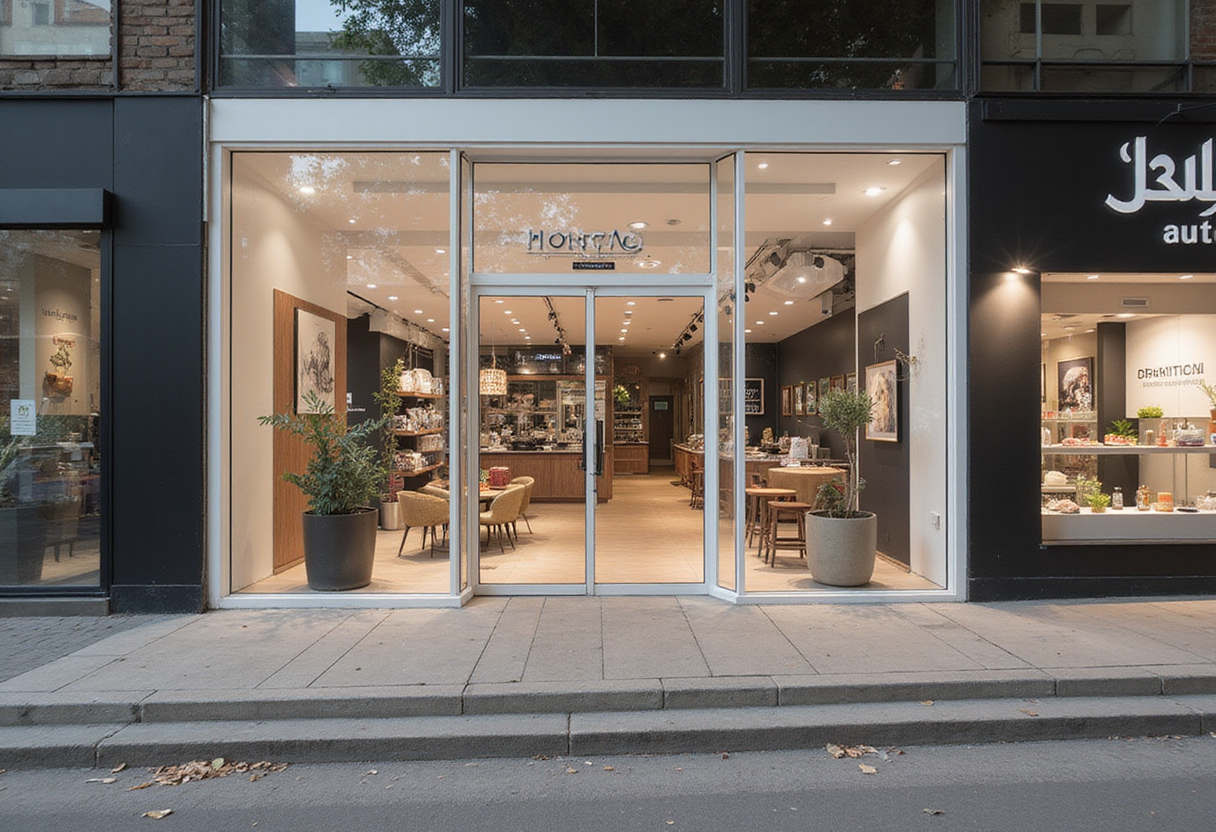
Erbil Stages Kurdistan Region's First International Hospitality Exhibition
Erbil hosted the Kurdistan Region's inaugural international hospitality exhibition, per Kurdistan24, in a debut event the source did not date, count or venue-name. Industry-watch verdict waits on year-two exhibitor rosters.
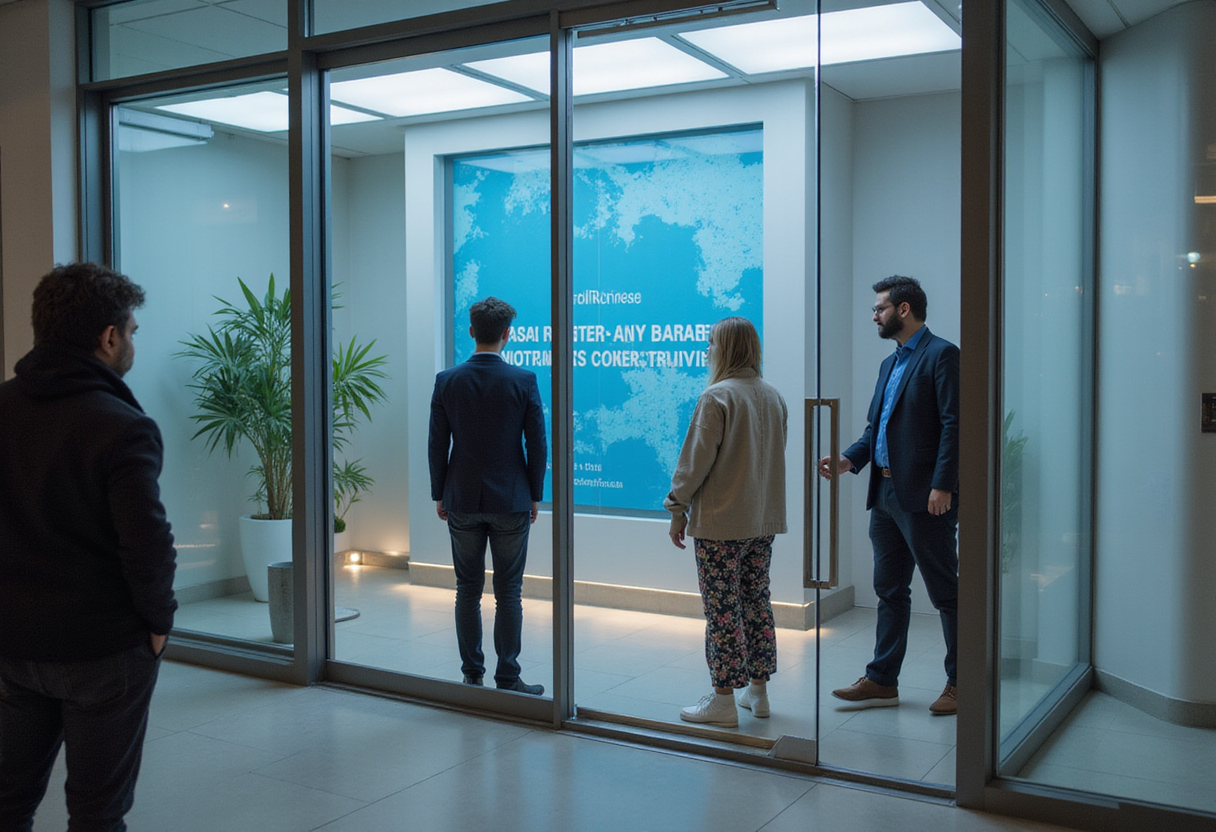
Erbil Stages Kurdistan Region's First International Hospitality Exhibition
Erbil hosted the Kurdistan Region's inaugural international hospitality exhibition, Kurdistan24 reported, in a debut trade event the source did not date, venue or count. The headline carries more weight than the dispatch.
What did the source actually disclose?
Almost nothing concrete. The Kurdistan24 item listed no anchor name, attendee count, foreign-buyer share, exhibition space or scheduled conference programming. It skipped exhibitor categories and signed deal flow.
What the source confirms is the event itself. Kurdistan24, the Kurdistan Region's principal English-language news outlet, filed the exhibition report through Google's news aggregator. This editor could not access the underlying article directly at press time. No on-the-record quotations appeared in the dispatch.
Why does the "first" tag matter?
Regional trade exhibitions function as procurement accelerators for an industry that otherwise manages sourcing through individual sales calls across multiple supplier markets. They compress dealer selection, surface franchise candidate rosters and let brand-development teams screen multi-unit master franchise prospects in a single venue visit.
For operators evaluating any debut exhibition, three ratios typically decide whether the event builds a durable market habit: attendee-to-exhibitor count, the share of buyers traveling from outside the host country, and the volume of signed letters of intent announced during the run. None appeared in the source.
What does the silence on numbers signal?
Mature trade publications in mature hospitality markets publish attendee counts, foreign-buyer percentages and exhibitor rosters within forty-eight hours of a show's close. The absence here suggests either a deliberately limited press release or an event still in its organizational adolescence.
International suppliers entering regional markets typically gate participation on minimum-volume commitments. These usually take the form of multi-unit master franchise agreements rather than single-property supply contracts, a structural feature that reshapes which operator categories attend and which procurement roles appear on the show floor.
Will operators buy what the suppliers are selling?
That depends on the show's deal flow, not its floor count. A first exhibition's economic footprint rarely registers in chain-level check averages or operating margins. Its value lies in the procurement network it seeds and the franchise pipeline it opens.
Exhibition organizers, regional tourism boards and the Kurdistan Region's investment promotion apparatus typically measure second-year success against three benchmarks: exhibitor retention rate, share of returning international brands, and the conversion ratio of show-floor meetings to signed letters of intent.
What will the second edition tell us?
First-time international exhibitions in regional hospitality markets tend to fall into one of two patterns: a single-year event that fails to anchor year-two tenants, or a recurring fixture that draws global supplier rosters by its third edition. Trade publications covering the regional beat typically use year-two exhibitor announcements as the verdict signal.
For Erbil's operators and their suppliers, the test of this debut will be whether next year brings a second edition with broader supplier rosters and a fuller disclosure of deal flow.
Rebecca Stone covers hospitality development and trade events for The Pass Brief.
More from Rebecca Stone
Show full bio
Senior reporter covering technology and product news in Restaurant and hotel operations at The Pass Brief.
391 articles