Downtown Portland Hotel Property Changes Hands in $10 Million Sale
A hotel trust sold a downtown Portland property for $10 million, the latest in a wave of urban lodging asset reshuffling. The valuation suggests a limited-service asset at a time when Portland's hotel market continues to recalibrate.
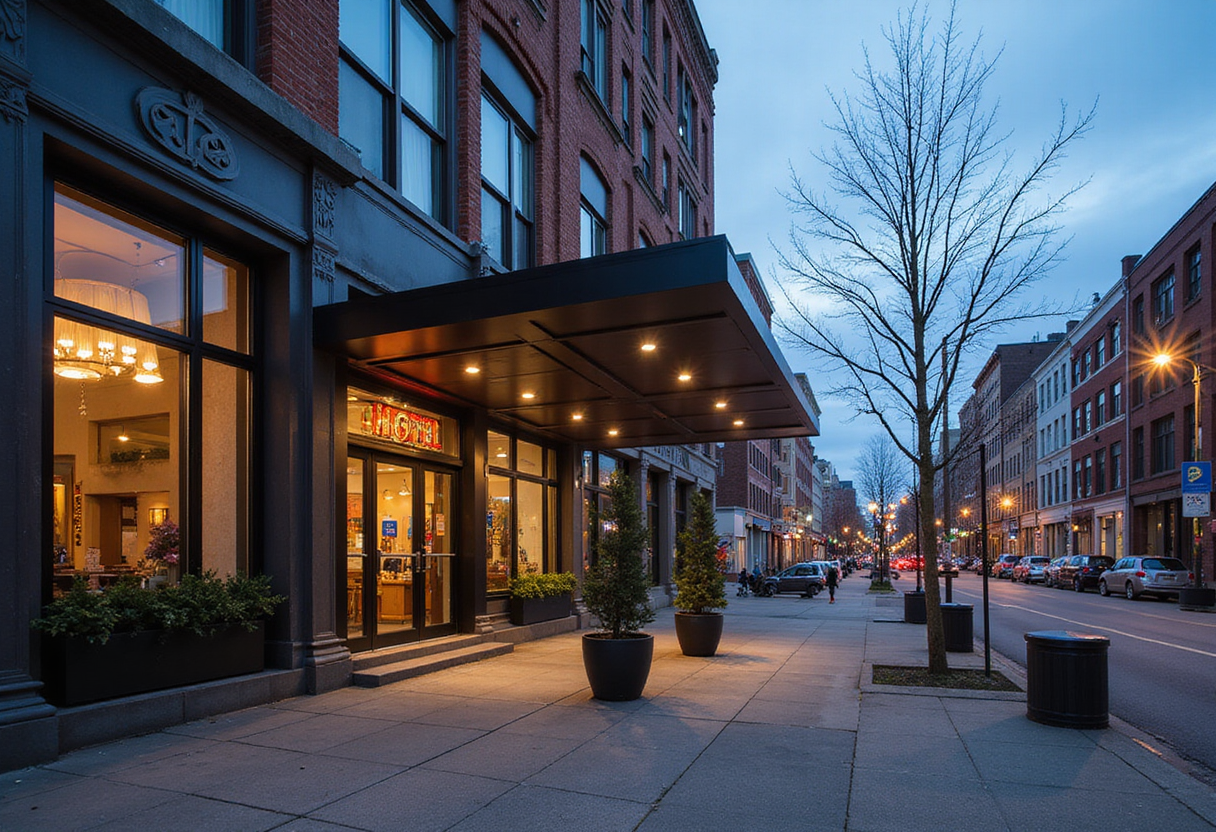
A downtown Portland hotel property sold for $10 million in a transaction disclosed by The Business Journals, with the seller identified as a hotel trust working through a portfolio disposition.
What the transaction signals
Trust-led hotel sales at this price point typically reflect an operator or institutional holder exiting a single asset rather than a brand-wide strategic shift. A $10 million valuation for a downtown Portland property points to a limited-service or upper-midscale asset, given that full-service downtown hotels in primary Pacific Northwest markets routinely trade above $200,000 per key.
Why downtown Portland matters
The submarket has carried elevated vacancy and depressed revenue per available room (RevPAR) since the 2020 disruption of the city’s convention, cruise and corporate-travel demand. Portland’s urban core has seen multiple hospitality owners reset strategies through the cycle, with some properties converted to alternative uses including multifamily and behavioral-health housing.
How a $10M deal pencils out
At a $10 million purchase price, an acquirer underwriting to a 7 percent cap rate would be modeling approximately $700,000 in year-one net operating income — a figure that requires aggressive cost control given Portland’s property-tax structure and rising commercial utility costs. Investors in this price band typically target older, unflagged assets that can be repositioned under a soft brand or converted to extended-stay use, where length-of-stay economics outperform transient occupancies.
What the seller’s posture reveals
A trust entity disposing of an asset rather than transferring it to a successor trust generally indicates a completed hold period, a refinancing opportunity forgone, or a rebalancing toward higher-growth markets. Hotel trusts have been net sellers of urban assets since 2022, redeploying proceeds into Sun Belt limited-service portfolios where construction costs have stabilized and labor markets are looser.
What a buyer might do next
A new owner inheriting a $10 million downtown Portland hotel faces three operating variables: average daily rate compression against suburban competitors, a labor base that has reorganized around post-pandemic wage floors of $17 to $20 per hour, and food-and-beverage operations whose gross-margin profile rarely clears 65 percent at this scale. Capital expenditure plans typically focus on guestroom soft goods, energy-efficient HVAC retrofits, and POS system replacement — investments that can run $2,000 to $5,000 per key before any revenue gain materializes.
The broader read
The transaction is one of several smaller urban lodging deals expected to clear in the Pacific Northwest through the next two quarters as institutional sellers complete hold-period exits. Buyers active in this segment will continue to underwrite toward extended-stay and select-service conversions rather than traditional full-service operations.
More from Elena Vasquez
Show full bio
News editor covering industry trends and analytics at The Pass Brief.
245 articles