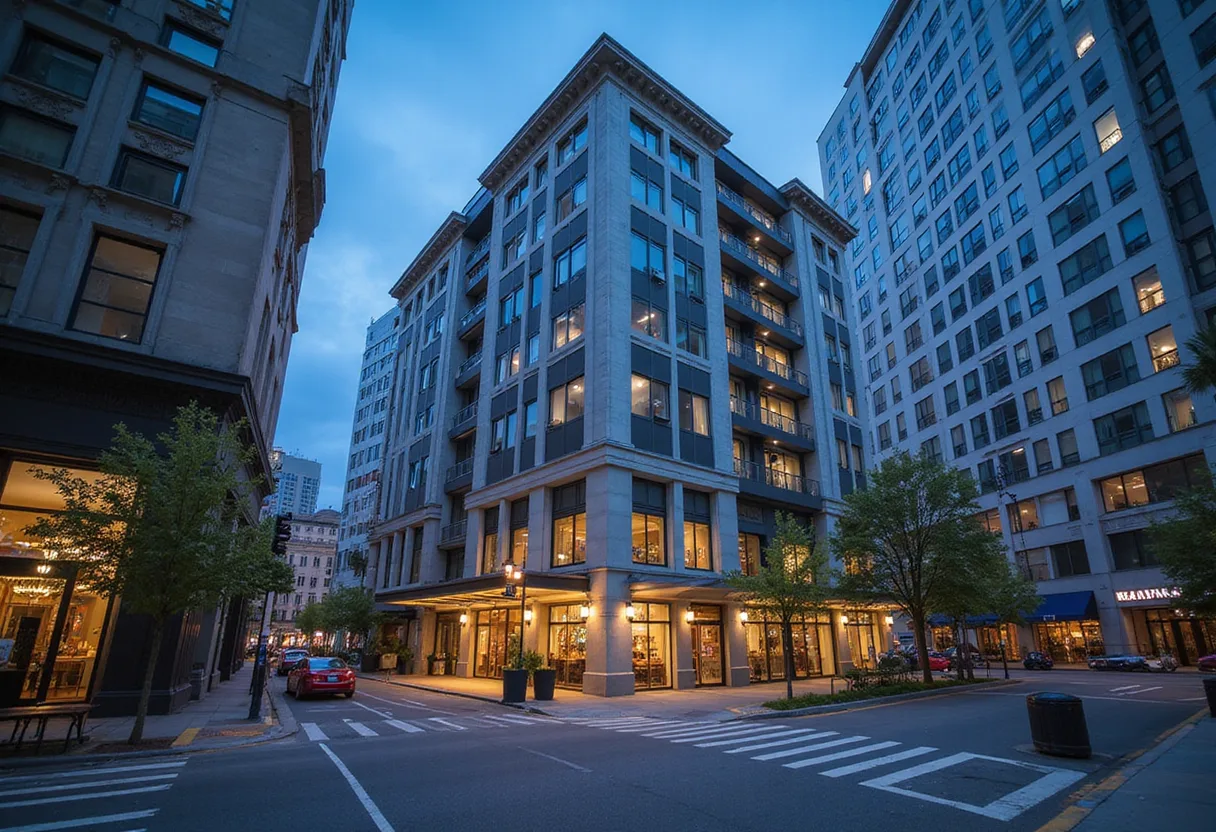
Denver Convention Bookings Trail 2026 Pace by 17%, Yet Operators Hold Steady
Denver convention bookings pace 17% behind 2026 as next year's group calendar takes shape. Industry leaders frame the gap as a familiar rotation-driven adjustment rather than a structural demand break.

The Denver convention market enters its next booking cycle with group business pacing 17% behind 2026 — a headline that would normally trigger operator anxiety across the city's hotel and restaurant base. Industry leaders, however, are framing the gap as a familiar adjustment rather than a structural break.
That reading comes down to what "pacing" actually measures. Pacing tracks future group reservations against the same booking window a year earlier, and a 17% deficit against a 2026 baseline can read very differently depending on the shows that calendar absorbed.
Denver's convention economy has historically depended on rotating anchor events whose multi-year intervals create natural peak-and-trough patterns in the booking data — a cadence operators who work the market through multiple cycles recognize as table stakes rather than warning signs.
The Business Journals' framing — "Why aren't industry leaders panicking?" — gets at the disconnect between the headline figure and the operator read. A 17% gap is real and worth tracking, but a single-year comparison against a strong prior-year calendar produces exactly this kind of variance in cities that host rotating industry weeks.
What does the gap change for Denver operators?
For restaurant groups, hotel F&B outlets and the hospitality vendors clustered around a convention footprint, a pacing shortfall of this size reshapes planning rather than strategy. Operators expect impact to show up first in softer group breakfast and dinner covers, then in adjusted staffing schedules for properties and restaurants closest to the convention campus.
The practical exposure concentrates in the F&B segments that absorb the highest share of group traffic — concepts positioned near meeting venues, where check averages and turn patterns both move with the convention calendar. Cost-of-goods pressure on protein-heavy group menus amplifies the math.
A short pacing gap against a strong prior year typically reads as a planning prompt: tighten group-set menus, recalibrate mid-week revenue targets, adjust labor scheduling for peak conversion windows. Operators treating the 17% figure as exactly that — a planning prompt rather than a demand signal — can manage the gap through operational levers without rewriting their financial plans.
The relief, at least for now, is that the gap reflects open booking pace rather than realized demand. Group business historically converts late in the cycle, with room blocks and meeting contracts often closing sixty to one hundred twenty days out.
The same Denver operators monitoring the 17% gap expect a meaningful share of those bookings to land through late conversion as planners finalize rotations and lock in room blocks. That late-cycle catch-up is precisely the read keeping the panic out of the operator conversation.
Convention hotels measure pace weekly against prior-year windows specifically because the cadence of group business — long sales cycles, late conversions, rotating anchors — makes single snapshots unreliable. A 17% gap mid-cycle has historically been followed by compression as room blocks close, a pattern that the current Denver read mirrors through its monthly tracking.
The forward question for the market is whether next year's pace closes through late conversions or hardens into a softer year. The answer sits in the rotation calendar of the city's anchor shows and the next six months of booking data.
By Daniel Okafor
More from Daniel Okafor
Show full bio
Correspondent covering companies, deals and strategy in Restaurant and hotel operations at The Pass Brief.
443 articles