Deevana Hotels Commits to 45% Plant-Based Protein Across Properties by 2030
Deevana Hotels & Resorts targets a 45:55 plant-to-animal protein split by weight across its southern Thailand properties by 2030, developed with NGO Lever Foundation.
Deevana Hotels & Resorts will shift to a 45:55 plant-to-animal protein split — measured by purchased weight — across its southern Thailand properties by 2030, a target developed with the international NGO Lever Foundation.
The commitment covers protein purchasing across the group's hotels, moving the sustainability lens from how food waste and resources are managed to what's actually on the menu. For an independent operator running multiple properties in one of Asia's most competitive resort markets, that's a sourcing and menu-engineering project, not a marketing gesture.
What's already in place?
The plant-based target doesn't arrive in a vacuum. Deevana already runs a practical operational sustainability stack:
- Vegetable and fruit scraps converted into fermented microbial water for reuse
- Reusable containers encouraged for food and beverage service
- Waste segregation, water and energy conservation, and mangrove planting programs
- A group-wide target to cut greenhouse gas emissions by 5% by 2026
The protein commitment extends that framework into ingredient composition for the first time.
How will the 45:55 split work in practice?
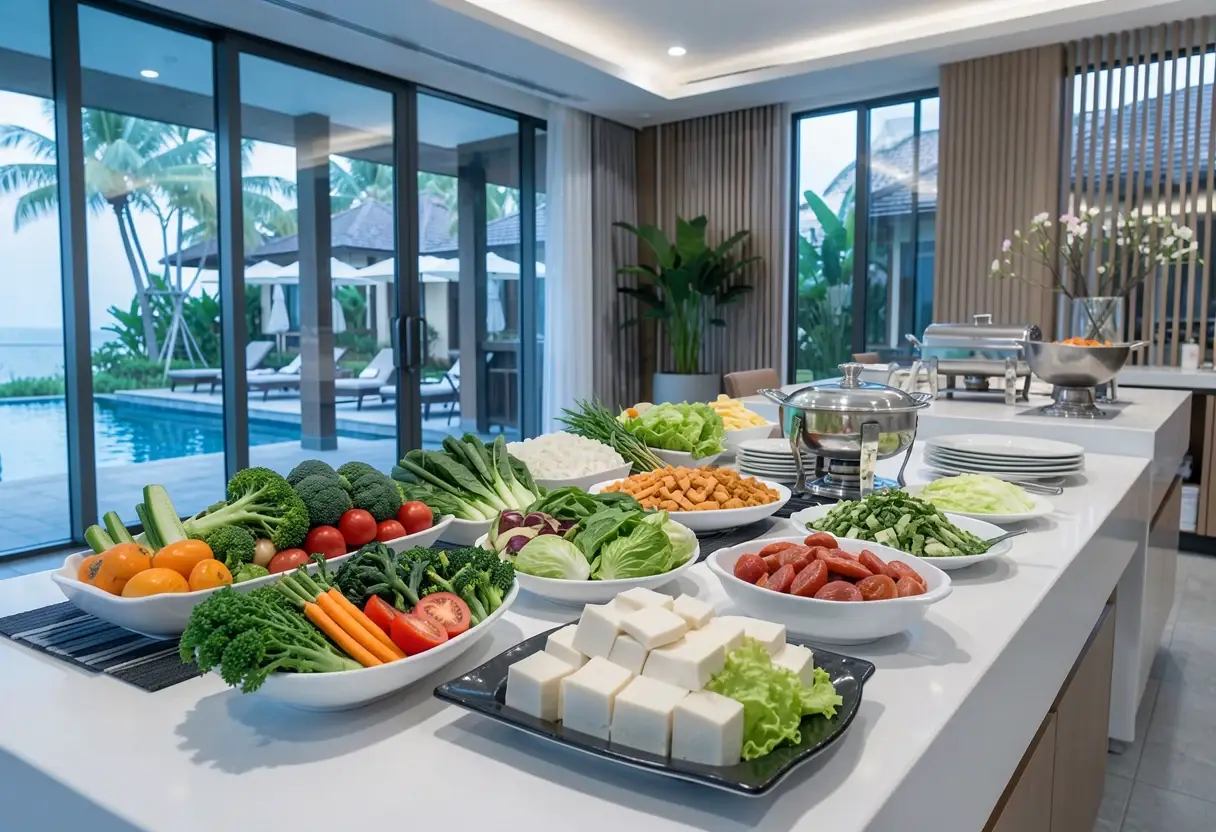
The policy is explicitly additive, not restrictive. Deevana says it will expand naturally plant-based dishes and increase the use of vegetables, legumes, tofu, grains, and mushrooms across menus, diversifying protein sources while preserving culinary identity and operational flexibility. Animal protein stays on the table — it just loses majority share of purchased weight over the next six years.
That framing matters commercially. As the group's guest mix of international travelers widens, menus need to reflect varied dietary preferences, from vegetarian to flexitarian to health-conscious omnivore.
Cluster General Manager Narongveth Samargasevi framed the move as continuity: "At Deevana, sustainability has always been about finding practical ways to do better across every part of our operations. Extending that commitment into our menus feels like a natural next step."
Why protein sourcing?
The economics and footprint case is straightforward. Plant proteins carry substantially lower greenhouse gas emissions and require far less land and water than animal proteins, according to research cited by Lever Foundation. The Food and Agriculture Organization of the United Nations has also found that plant-based foods generate significantly less food waste than meat and dairy — a direct tie to Deevana's existing waste-management operations.
Ribbin Nichapa, Corporate Engagement Manager at Lever Foundation, said the deal reflects integrated thinking the industry needs more of: setting "a measurable plant-based menu target while building on years of work in waste management, resource conservation, and emissions reduction." She added: "We are proud to support Deevana as it takes this next step."
Lever Foundation, which operates across Asia, Europe, North America, and Latin America, works with companies to upgrade food sourcing toward a more humane, safe, and sustainable supply chain, focusing on higher-quality animal protein and plant-based foods.
What does this change for the sector?
For a mid-size independent group, a dated, measurable purchasing ratio is a more auditable commitment than most menu-sustainability pledges — and one other resort operators in the region can benchmark against as 2030 approaches.
More from Daniel Okafor
Show full bio
Correspondent covering companies, deals and strategy in Restaurant and hotel operations at The Pass Brief.
559 articles