Czech Inspectors Find Salmonella in Quarter of Imported Poultry Samples
Czech veterinary inspectors found Salmonella in 23 of 93 imported poultry samples — a 24.7% positivity rate — during an enhanced SVS testing campaign launched at the end of July, with food-safety liability falling on operators.
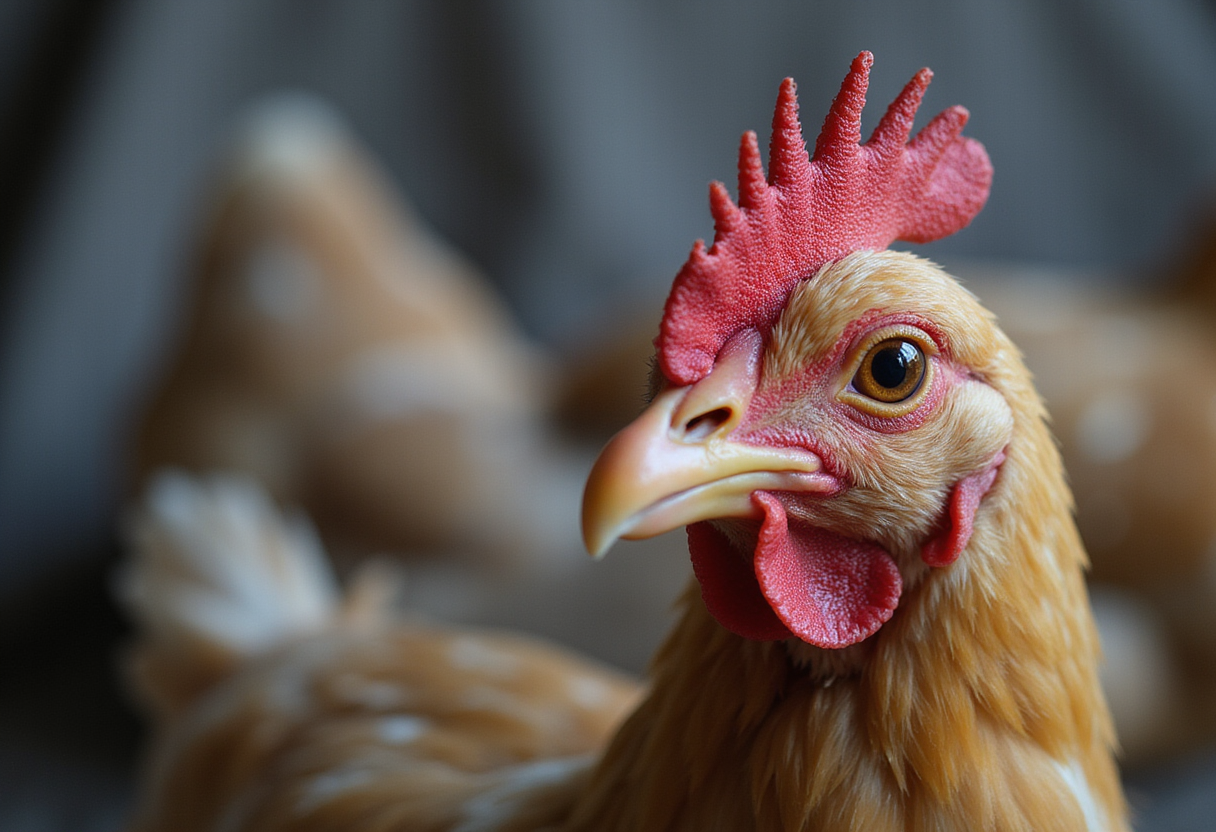
Czech veterinary inspectors found Salmonella in 23 of 93 samples of imported poultry meat — a 24.7% positivity rate — during an enhanced testing campaign the State Veterinary Administration (SVS) launched at the end of July.
The finding lands inside an import channel that has carried a rising share of European foodservice poultry over the past three years, as breast fillet, tender, and leg-quarter volumes from non-EU producers moved through Czech and adjacent borders on price.
How did the Czech inspection sweep run?
The SVS targeted imported poultry only and stepped up Salmonella inspections in late July. The agency processed 93 laboratory samples drawn from consignments entering the country. Twenty-three of those tested positive for Salmonella.
The agency did not publish a breakdown by serotype, country of origin, or product form — whole bird, cuts, or mechanically separated meat. Buyers and operators will have to read the figure as a caution flag for the import channel, not a narrowly defined recall event.
What does a 24.7% positivity rate mean for buyers?
For restaurant groups and central-kitchen buyers, one in four samples testing positive at an import checkpoint changes two operational calculations. First, incoming-material specification: any Salmonella-positive lot cannot enter operator kitchens without a documented kill step, and the validation record now sits in the buyer's audit file rather than the supplier's.
Second, food-safety liability: operators serving poultry that has cleared a validated cook-out carry less risk, but any plate-side verification gap remains the operator's exposure regardless of contamination origin.
For procurement teams tracking check averages, the menu sell price on chicken sandwiches, wings, and entrée plates does not move. The variable cost does. A Salmonella-positive lot that requires rework or diversion writes directly into food cost and absorbs QA labor hours the operator had already allocated against thin headcount.
Why is this a sourcing-line conversation?
The cost of a positive sample lands at the receiving dock, not the plate. Operators pay for product on arrival, then pay again through testing, rework, hold-and-release logistics, or recall when a lot fails. Salmonella-positive deliveries cleared by a documented cook step can still be sold, but the documentation burden sits with the operator.
Chains built around lower-priced imported breast, tender, or leg quarters are likely to see procurement and food-safety teams reopen country-of-origin and supplier-list conversations on the next sourcing cycle.
A 24.7% test-positive rate at receiving forces those operators to weigh that cost compression against the line items a contaminated lot adds back: third-party lab fees, freezer-hold days, comps for affected traffic, and the brand cost of any publicized outbreak linked to a specific menu item.
What should operators watch next?
Czech authorities have not announced a public deadline for expanded import holds or retailer-level recalls, and the SVS has not named any Czech restaurant chain in connection with a Salmonella outbreak tied to the tested supply.
Restaurant buyers in the region can expect regional veterinary agencies to publish follow-up sampling data before the next quarter-end, and supplier audits, incoming-product microbiological testing programs, and country-of-origin declarations will tighten or relax based on that trend.
More from Daniel Okafor
Show full bio
Correspondent covering consumer brands and retail at The Pass Brief.
216 articles