Cost Pressure Freezes Hiring at UK Bars and Hotels
UK bar and hotel operators say rising costs have made new hires unaffordable, freezing staffing levels across the hospitality sector, BBC reports.
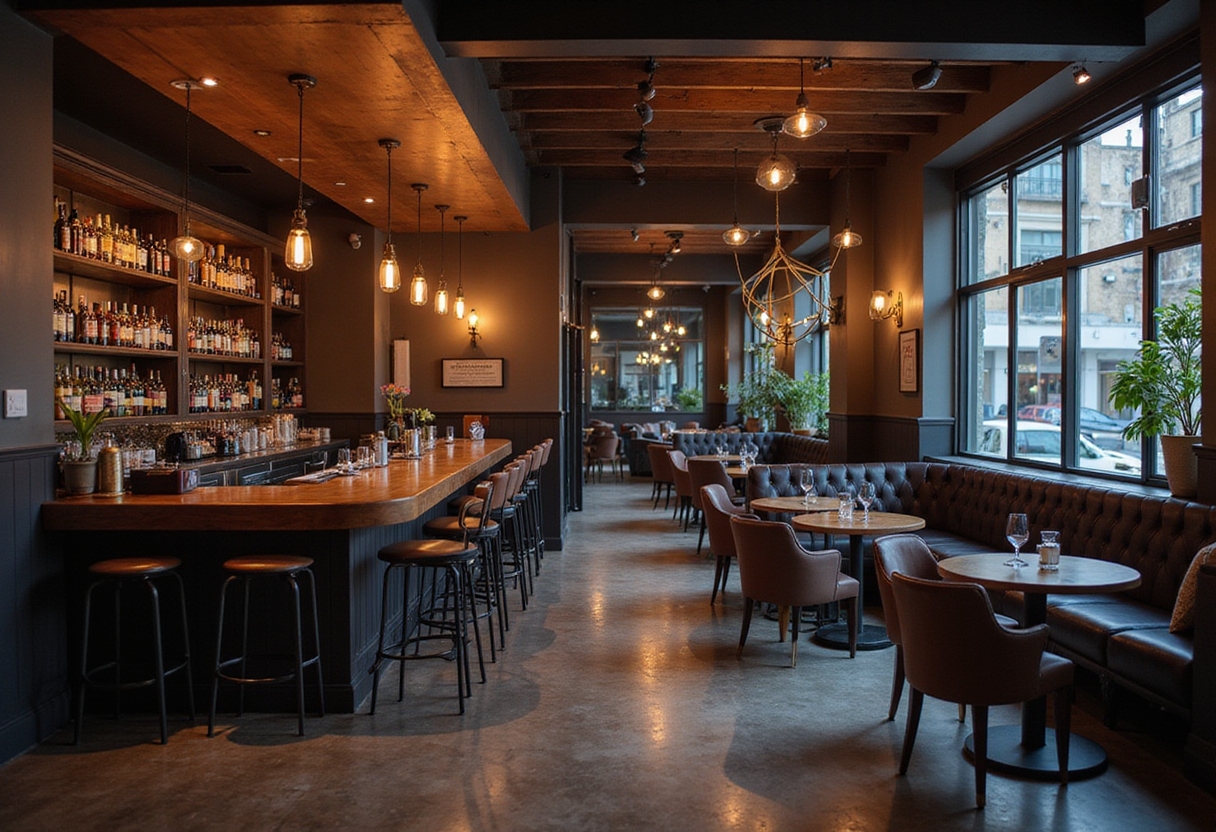
Bar and hotel operators in the UK say they can no longer afford to take on staff, according to a BBC report that frames rising business costs as the direct cause of a hiring freeze across the hospitality sector.
The headline claim is blunt: "cannot afford to take on staff." That is not a demand problem or a labor shortage in the usual sense, according to the report. It is a cost problem. Businesses want to hire and calculate that each new hire now costs more than the revenue that hire would generate.
What does the hiring freeze mean in practice?
For a bar or hotel, staffing is typically the largest controllable expense after cost of goods. When operators say hiring is unaffordable, they usually mean labor as a share of revenue has crossed the level at which marginal hires stop paying for themselves. The BBC report attributes this to rising costs broadly, without yet itemizing wage rates, national insurance contributions or supplier inflation.
The practical consequences for operators are familiar:
- Existing teams absorb more hours rather than new heads joining the roster.
- Opening hours or service levels get trimmed to fit the wage bill.
- Expansion plans and new site openings stall.
None of this is speculative. It is what cost-constrained operators do when the arithmetic turns against them.
Who carries the risk?
Independent bars and smaller hotel groups carry the most exposure. They lack the balance sheet to absorb elevated costs while waiting for conditions to improve. Larger groups can spread fixed costs across more sites and negotiate supplier terms from strength. The BBC report does not name specific operators, so the extent of the freeze across chains versus independents remains unquantified.
What comes next?
If costs stay elevated, the sector faces a choice between price increases passed to customers and continued understaffing. Either path pressures volume. The BBC's reporting suggests the hiring freeze is already in effect, and operators will be watching the next round of employment cost changes before they commit to new headcount.
Reporting on this story is ongoing; figures cited in future BBC updates will be tracked here.
More from Rebecca Stone
Show full bio
Senior reporter covering technology and product news in Restaurant and hotel operations at The Pass Brief.
332 articles