Common Cents Act Clears Congress, Handing Restaurants a Win
Congress passed the Common Cents Act, handing restaurant operators a win on cash-handling costs they have long argued weigh on unit-level margins.
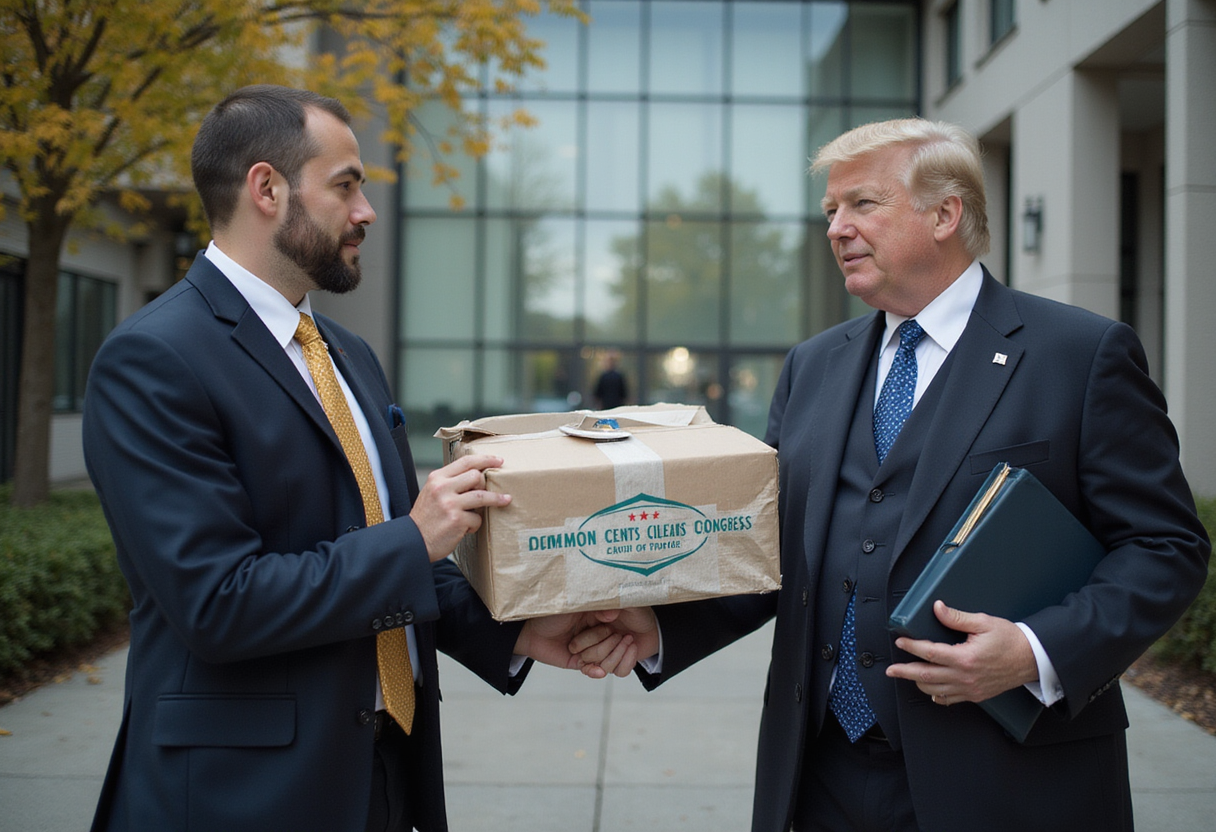
Congress has passed the Common Cents Act, delivering a legislative victory that restaurant operators and their trade groups had pushed for as a practical fix to a small but persistent cost of doing business in cash.
The bill cleared both chambers and now advances to the president's desk. Restaurant industry advocates, who lobbied for the measure, framed passage as a win for operators who handle high volumes of low-value cash transactions every day — from quick-service counters to food trucks.
The stakes for operators are straightforward. Coins are expensive to handle, count, transport and reconcile. Every register drawer, every end-of-shift count and every armored-car pickup carries a labor and service cost that lands directly on the unit-level P&L. For concepts with check averages under $10 and heavy cash traffic, those pennies add up across thousands of daily transactions.
Industry groups have argued for years that the one-cent coin costs more to produce and process than it is worth, and that the burden falls disproportionately on high-volume, low-ticket operators — the same segment already squeezed by food costs and labor percentages. Passage of the act signals congressional willingness to act on that argument.
For multi-unit operators, the change touches several cost lines at once. Cash management protocols would be simplified, reducing the time servers and cashiers spend on coin handling during shifts and closing procedures. Where rounding rules apply to cash transactions, the operational burden of pricing and change-making shifts accordingly.
Restaurant chains and franchise systems will need to update point-of-sale configurations, cash-handling training and reconciliation procedures to comply once the measure is signed and takes effect. Company-operated and franchised locations alike will bear those one-time adjustment costs, though the longer-run promise is lower handling overhead.
The National Restaurant Association and allied groups celebrated the vote, calling it a common-sense measure that respects how operators actually run their businesses. The industry's argument was economic, not nostalgic: coins that cost more than their face value to manage represent a drag on thin restaurant margins.
Operators and POS vendors will now watch for the enrollment date and implementation timeline, which will determine how quickly chains can reprogram registers and retrain staff across their footprints.
More from Daniel Okafor
Show full bio
Correspondent covering consumer brands and retail at The Pass Brief.
48 articles