CDC Ends Salmonella Outbreak Linked to Broccoli Sprout Seeds
At least 34 people across six states fell ill from Salmonella tied to broccoli sprouts grown from a contaminated New Zealand seed lot; the CDC says the outbreak has ended.
By Olivia Hart
At least 34 people in six states fell ill with Salmonella Bovismorbificans after eating contaminated broccoli sprouts, and the Centers for Disease Control and Prevention says the outbreak “has ended.” The case total was two higher than in the CDC’s September 24, 2026, outbreak notice.
The cases break down as follows:
- Washington: 26 cases
- Montana: 4 cases
- Idaho: 1 case
- Minnesota: 1 case
- Oregon: 1 case
- Utah: 1 case
Patients ranged from 2 to 87 years old, and illness onset dates ran from July 7 through September 11, 2026. Three people were hospitalized because their illnesses were severe enough to require admission.
How did investigators connect the illnesses?
The product named in the outbreak was Evergreen Fresh broccoli sprouts, and the producer identified in the traceback was Evergreen Sprouts. Epidemiologic, laboratory and traceback data showed that the sprouts were “contaminated with Salmonella bacteria and made people sick.”
State and local public health officials asked people about the foods they had eaten during the week before becoming ill. Of 30 people interviewed, 29 said they had eaten sprouts or microgreens.
Twenty-five people, or 97% as reported in the outbreak data, said they had eaten broccoli sprouts. One additional person reported eating a microgreen mix containing broccoli microgreens.
That broccoli-sprout result was significantly higher than the 8.7% of respondents who reported eating any sprouts, including alfalfa, bean and clover sprouts, in the FoodNet Population Survey over the same period.
PulseNet was being used to identify people who might belong to the outbreak. Whole-genome sequencing of patient isolates showed that the patients became sick from eating the same food.
What tied the illnesses to the seed lot?
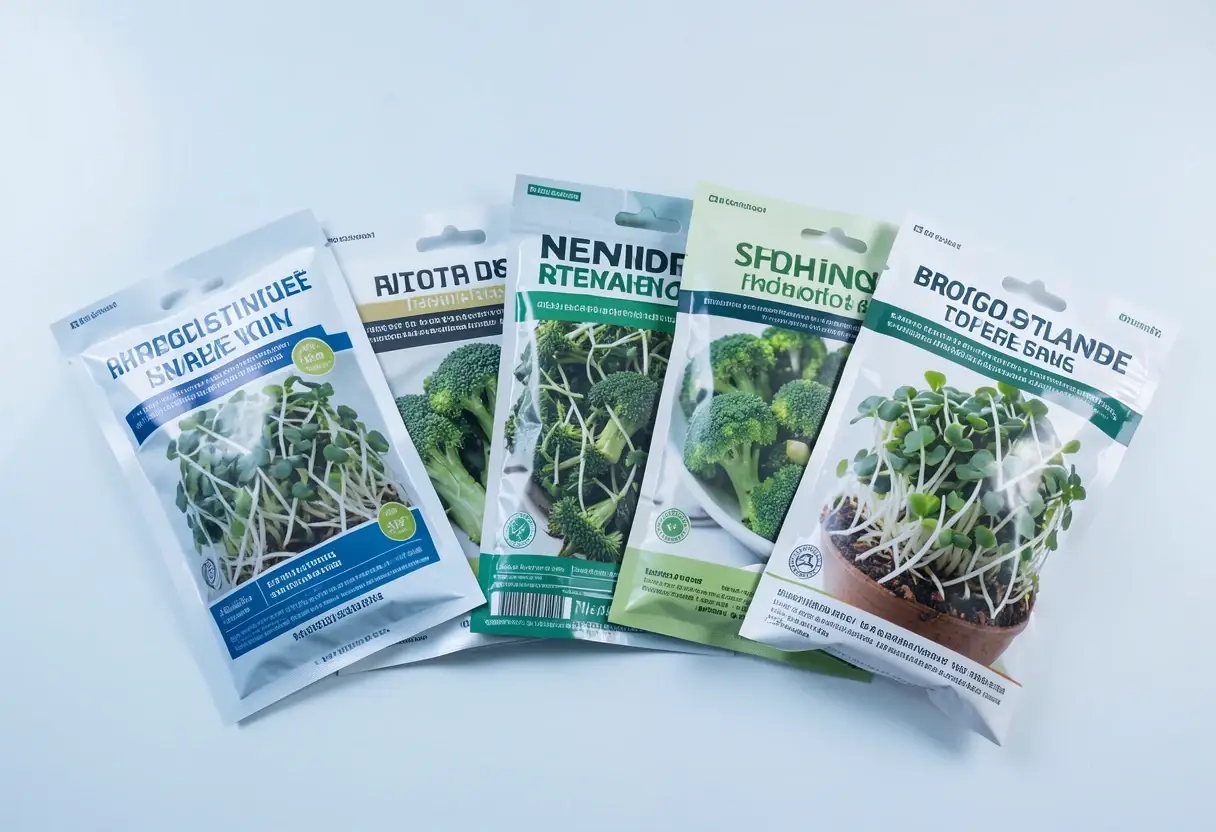
FDA and state traceback investigators identified broccoli sprouts and microgreens grown from a contaminated seed lot imported from New Zealand as a source of the illnesses.
Officials in Montana collected an unopened package of broccoli sprouts from a patient’s home and found Salmonella. Whole-genome sequencing matched it to the outbreak strain.
Washington officials collected and tested broccoli sprouts from a local food co-op and a patient’s home. Both samples tested positive for the same outbreak strain.
FDA also collected and analyzed broccoli sprout seeds from the supplier. Those seeds tested positive for the same strain of Salmonella Bovismorbificans.
Together, the seed, package and patient findings trace the contamination from an imported seed lot through finished sprouts. The positive seed sample establishes the upstream link, while the matched package and patient samples connect that pathway to reported illnesses.
What has been recalled?
The recalls cover one sprout product and three seed products:
- September 11, 2026: Evergreen Sprouts recalled its broccoli sprouts.
- October 2, 2026: Home Grown green sprouting Calabrese broccoli seeds were recalled.
- October 7, 2026: Eden Brothers Calabrese broccoli seeds were recalled.
- October 23, 2026: The seed supplier recalled its Gardeners Basics Waltham 29 broccoli sprouting seeds and contacted customers.
Not all of the recalled products made people sick in this outbreak.
What should shoppers do now?
Anyone who purchased the recalled seeds should not eat them or use them for sprouting. The seeds can be returned to the place of purchase or thrown away.
People who recently ate the seeds or sprouts made from them should monitor their health for symptoms of Salmonella food poisoning for the next week. Anyone who develops symptoms should see a doctor.
The outbreak’s end does not cancel the seed warnings. The immediate remaining risk is household use of the recalled lots, which consumers can prevent by removing them from sprouting setups and following the recall instructions.
More from Olivia Hart
Show full bio
Staff writer covering regulation, policy and their impact on Restaurant and hotel operations at The Pass Brief.
641 articles