BWH Hotels Launches Its Own Insurance Program for Owners
BWH Hotels has launched its own insurance program, giving franchise owners a brand-backed alternative as rising coverage costs squeeze hotel operating margins.
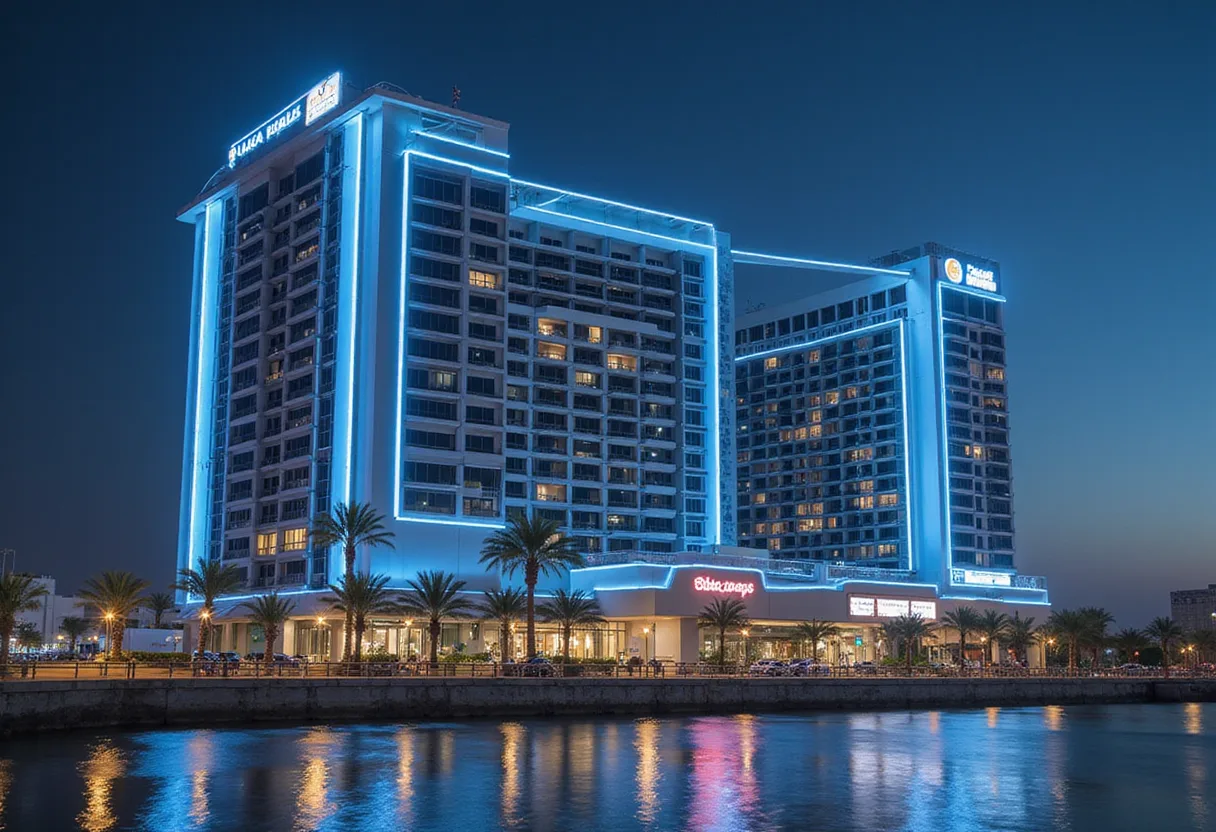
BWH Hotels has started its own insurance program, a direct response to coverage costs that have become one of the heaviest line items for its hotel owners. The move puts the brand parent — formerly Best Western, which rebranded as BWH Hotels to reflect its BW Premier, BW Signature and WorldHotels collection portfolio — into a role most franchisors have historically left to third-party brokers and carriers.
The headline fact is simple: a hotel company is now in the insurance business for its franchisees. That doesn't mean BWH is underwriting risk itself — group purchasing programs like this typically pool member demand to negotiate better rates with established carriers. What it does mean is that owners in the system now have a brand-backed alternative to shopping coverage on their own.
Why is a hotel brand doing this now?
Property insurance has been one of the fastest-growing cost pressures in hospitality over the past several years. Premiums have climbed sharply across hotel classes, driven by severe-weather losses, higher rebuild costs and carriers pulling back from hospitality risk in some markets. For a limited-service franchisee, insurance isn't a small expense — it sits alongside labor and property costs as a fixed burden that eats directly into the thin operating margins of a midscale property.
Because most BWH properties are franchised rather than company-operated, the brand's core product is the value proposition it offers owners: reservation delivery, loyalty traffic and shared services that make membership worth the fees. When insurance inflation threatens owner profitability, the franchise system itself feels it — through slower development, deferred renovations and harder license renewals. A group insurance program is a retention and unit-growth tool as much as a cost tool.
What does this change for owners?
The practical question an owner will ask is whether joining beats their current broker arrangement. Group programs work by aggregating the portfolio's risk profile, which can deliver pricing and terms an individual single-property owner can't command alone. For owners in weather-exposed or high-claim markets, that difference can decide whether a property stays viable.
There's also a service angle. A brand-administered program usually standardizes coverage levels across the system, which simplifies compliance and lender requirements — a real administrative saving for owners who currently manage insurance piecemeal across multiple properties and carriers.
The risk side deserves attention too. Pool-based programs can shift some cost volatility between members, and owners will want to understand how claims history affects their standing in the pool before switching. BWH will need to show the program delivers savings without strings that erode the benefit.
The bigger picture
BWH's move lands amid broader consolidation in hotel franchising, where brand parents keep adding services — technology, distribution, procurement — to justify fees and keep owners in the fold. Insurance is the newest frontier of that playbook, and a program that measurably cuts a fixed cost for owners strengthens the brand's pitch to both existing licensees and developers weighing which flag to build under.
Expect other mid-tier franchisors to watch the uptake closely; if BWH's program moves owner economics, expect copycats to follow.
More from Olivia Hart
Show full bio
Staff writer covering regulation, policy and their impact on Restaurant and hotel operations at The Pass Brief.
435 articles