Boston Magazine Asks Boston Chefs How to Fix the Restaurant Industry
Boston Magazine has published 'How to Fix the Restaurant Industry, According to Boston Chefs,' a roundup framing operator-level diagnoses of the pressures facing Greater Boston restaurants.
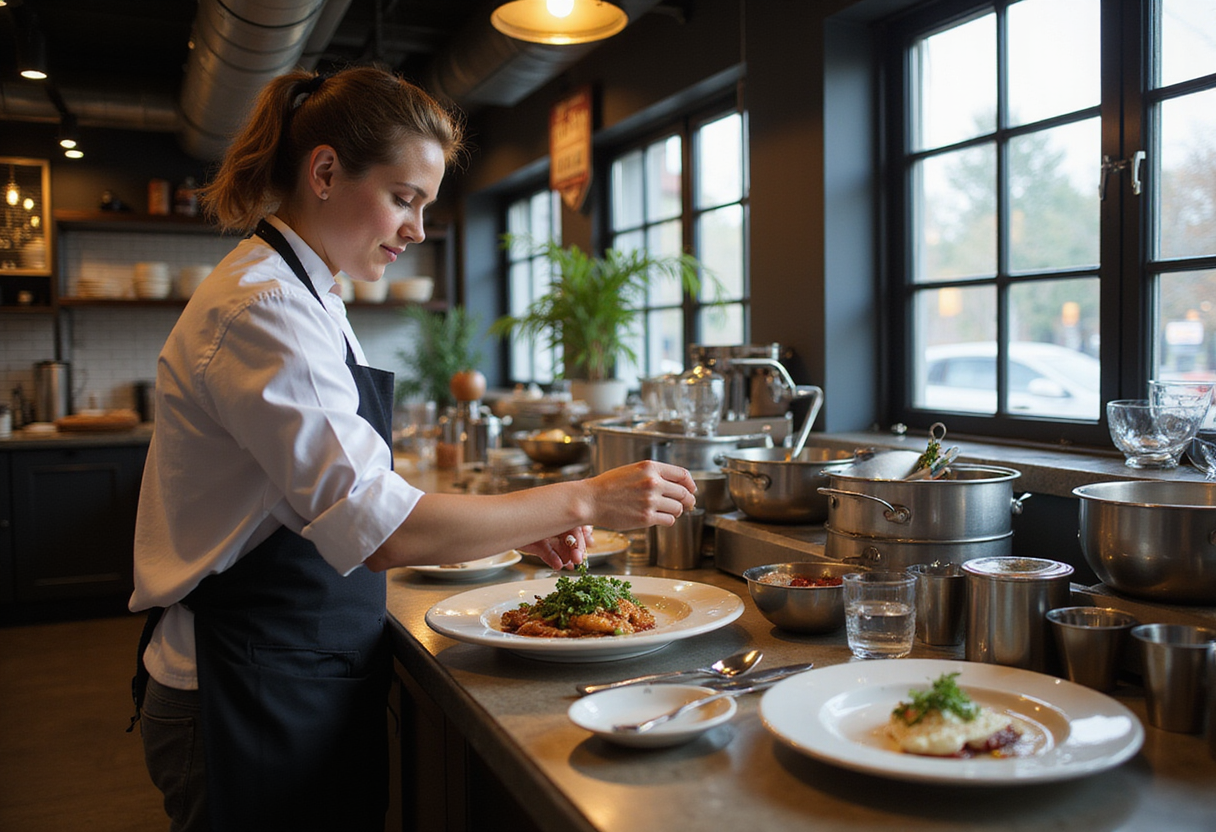
Boston Magazine has published a feature titled "How to Fix the Restaurant Industry, According to Boston Chefs," collecting operator perspectives on the structural pressures facing full-service and independent restaurants in the Greater Boston market.
The piece, surfaced via the magazine's editorial feed, frames the question directly to chefs rather than to corporate executives or investors. That choice matters: chef-owners carry the line-cost exposure that publicly traded chains aggregate away in their consolidated reporting.
What does the headline tell readers?
The title signals a qualitative diagnosis rather than a quantitative one. Readers looking for a single wage figure, check average, or labor percentage will not find it in the available summary. Boston Magazine's framing — "according to Boston chefs" — points the article at practitioner testimony, the kind of sourcing a hospitality editor would expect from a market where independent restaurants still anchor neighborhoods from the South End to East Boston.
Why Boston specifically?
Boston's restaurant economy runs on a thinner margin band than many coastal peers. Lease costs in Cambridge and Back Bay routinely push occupancy above the 10 percent threshold operators consider manageable, and the state's tipped minimum wage has moved on a multi-year schedule that operators have to model into their labor budgets each January. A feature built around local chefs inherits that operating context whether the writers name it or not.
What the article likely covers
Based on the headline alone, the roundup almost certainly addresses recurring operator complaints across the industry: insurance premium spikes, delivery-platform commission structures, staffing shortages in the back of house, and the squeeze on small operators from chains with lower cost of goods. Boston Magazine has historically leaned on named chefs from established kitchens rather than anonymous quotes, which means the published piece probably attributes each prescription to a specific restaurant or chef.
What does it change for operators?
For an operator in Boston or any comparable Northeast market, a chef-driven diagnostic is most useful as a mirror. The remedies that work for a 40-seat Cambridge bistro will not translate to a 180-seat Dorchester seafood house. A roundup like this one functions best as a menu of options — staffing models, menu-engineering tricks, sourcing pivots — that an operator then prices against their own food cost, labor percentage, and rent base.
The limits of a chef-only lens
Chefs see cost of goods and ticket times. They do not see the debt service on the real estate holding company, the franchisor marketing fund, or the insurance broker's loss run. A feature built entirely from chef testimony will surface the operational layer accurately while leaving the capital structure opaque. Readers building a complete picture will want to pair the Boston Magazine piece with their own P&L review.
What to watch next
Boston chefs have been unusually vocal this year about the gap between menu price and ingredient cost, a gap that commodity reporting has widened rather than closed. If the magazine follows this feature with operator-by-operator profiles — the kind of long-form kitchen reporting it has run in the past — expect those pieces to name specific food cost percentages, labor targets, and menu prices that the roundup format cannot accommodate.
More from Daniel Okafor
Show full bio
Correspondent covering companies, deals and strategy in Restaurant and hotel operations at The Pass Brief.
383 articles