Black Rock Coffee Bar Extends Hours, Lifts Sales 5.8%
Black Rock Coffee Bar posted 5.8% same-store sales growth, more than doubled net income and opened 11 shops in a quarter, betting longer hours will sustain demand.

By Daniel Okafor
Black Rock Coffee Bar lifted same-store sales 5.8% last quarter, more than doubled net income to $2.7 million and kept 70% of its shops open until 8 or 9 p.m. during the summer, according to the Scottsdale, Arizona-based chain’s Tuesday results.
CEO Mark Davis told analysts on Tuesday, according to an AlphaSense transcript: “It’s certainly a younger demographic. When we made the decision to make them permanent, they are definitely profitable. They are contributing to the same-store sales, and they’re contributing to the transactions.”
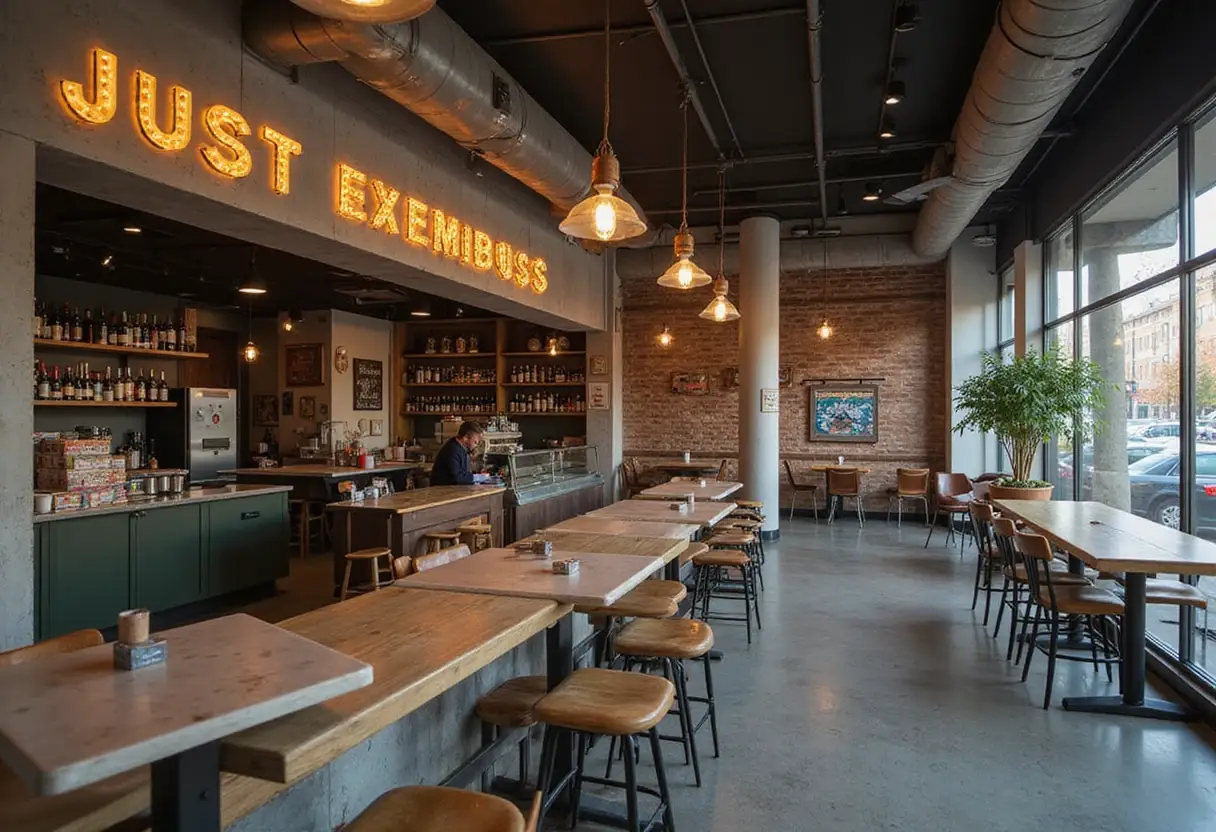
The extended schedule did more than lengthen the day. Transactions rose 2.4% while same-store sales increased 5.8%, indicating that spending per transaction also grew as Black Rock sold more food, including recently added cake pops and grilled cheese sandwiches.
Revenue rose 29.7%, far outpacing the comparable-store gain and reflecting the effect of an expanding location base. Black Rock opened 11 shops during the quarter. The available figures do not show the company-operated versus franchised mix, average check, food costs, labor percentage or store-level margins, so the jump in net income does not establish how much existing-shop profitability improved.
The backdrop favors the coffee chain. Technomic’s Top 500 data showed overall chain-restaurant sales slowed again in 2025 as consumers cut back on dining, while coffee, beverages and snacks, along with chicken, thrived. Black Rock operates in one of those high-growth categories, where consumers are trading some visits to traditional fast-food restaurants for an afternoon cold coffee.
What does this change for Black Rock?
For Black Rock, longer hours turn its locations into a daypart sales tool. Davis believes the company can generate stronger afternoon and evening business, citing rapid growth at Dutch Bros, also based in Arizona, and 7 Brew, which have drawn customers after noon.
The chain also believes it has an edge through a stronger food lineup and dining rooms. Davis expects those features to sustain customer engagement and sales, particularly as new stores open with extended schedules that are generating higher volumes and stronger overall performance.
Expansion remains aggressive. Black Rock expects 40 openings for the full year, up from a previously cited expectation of 38 locations, after opening 11 shops in the quarter. California has produced some recent record weeks for the chain, giving the company a strong market for testing its extended-hours model.
The second-generation site advantage
Black Rock has benefited from a real-estate market with plenty of second-generation sites, while its flexibility on shop types allows it to adapt to different locations. That combination matters because a smaller operator can move through permitting and opening more quickly than a larger company competing for the same spaces.
“As a smaller company, we’re a bit more nimble,” Davis said. “When you think of yourself as a landlord, they want somebody that can come go through the permitting quickly, that can adapt and get that open and get it going. It allows them to charge rent faster. That’s a big advantage for us.”
For landlords, quicker approval and opening mean rent can begin sooner. For Black Rock, the same speed shortens the path from site selection to revenue, making more second-generation locations economically workable and giving the chain leverage in negotiations.
Investors were less enthusiastic about the results. Black Rock’s stock fell 4% in off-hours trading and had lost more than half its value this year. That divergence leaves the company’s operating execution under closer scrutiny despite the stronger sales and profit figures.
The next quarter will show whether Black Rock can keep turning later hours into transactions and food sales while scaling toward 40 openings; without store-level labor and margin data, that is the central operating question.
More from Daniel Okafor
Show full bio
Correspondent covering companies, deals and strategy in Restaurant and hotel operations at The Pass Brief.
694 articles