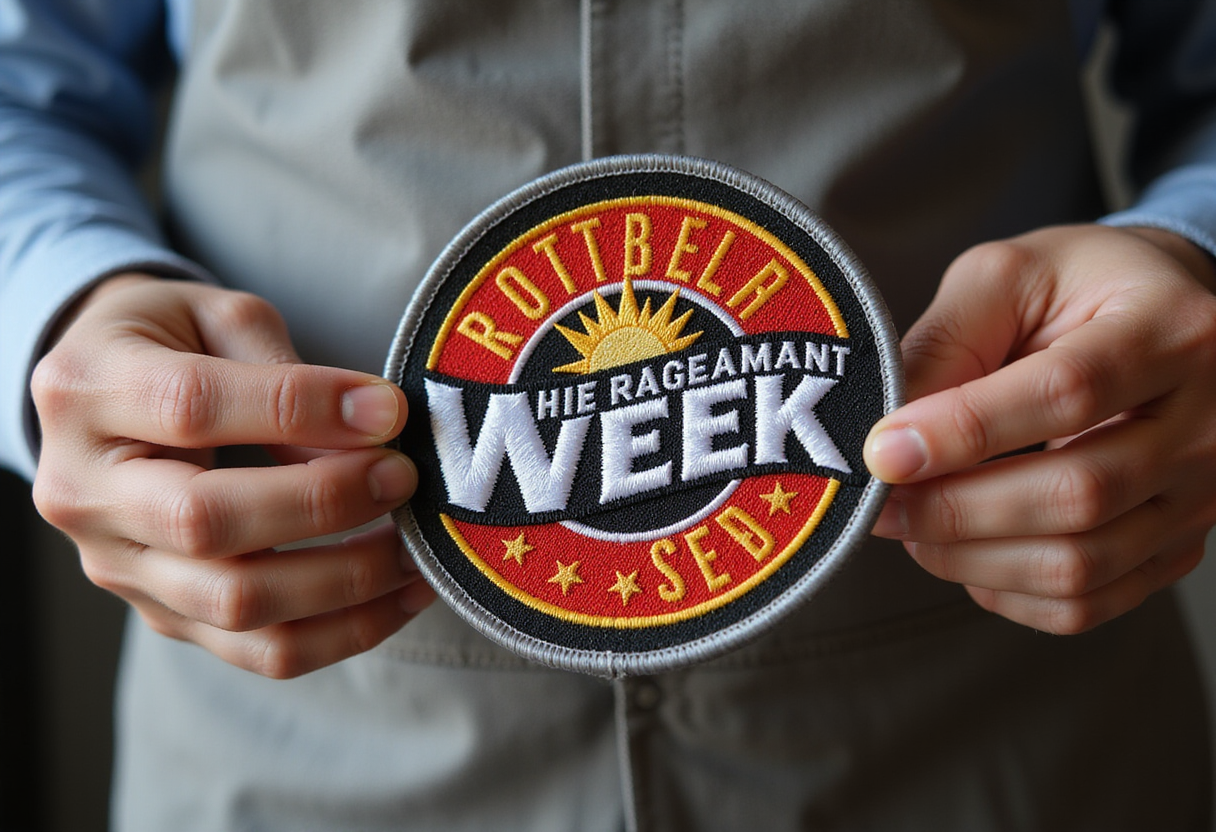
Black Restaurant Week Marks 10 Years in Atlanta With Renewal Pledge
Black Restaurant Week marks its 10th year in Atlanta with a 'we're not going anywhere' pledge from organizers, signaling continuity over reinvention as participating operators weigh the discount math.
Black Restaurant Week has cleared a milestone most city-led restaurant showcases never see: ten consecutive years. The Atlanta-anchored event, built to spotlight Black-owned restaurants across the metro, opens its second decade with a public recommitment from organizers.
"We're not going anywhere," the program's leadership framed the anniversary, a single line that works as reassurance to diners and as a strategic signal to the operators who participate. The phrasing tells outside operators that year eleven will look like year ten, which is itself the answer.
What does Black Restaurant Week actually do?
The format follows the restaurant-week template operators have used for decades. A defined window, typically one to two weeks. Participating restaurants offer discounted prix fixe menus. Marketing gets centralized through local press, radio, and social channels. Diners get a value proposition. Operators get a traffic lift during a window that is usually a slower sales period.
The trade at the operator level is straightforward: discount the check, fill the dining room, and convert new diners into regulars. The mechanics are old, but the audience Black Restaurant Week targets — Black-owned restaurants in a metro with a deep bench of independents — gives the format a specific economic role.
Why Atlanta, and why does a second decade matter?
Atlanta was the launch market and remains the anchor. The metro's Black-owned restaurant base sits well above the national average among major U.S. cities, and the food scene has produced nationally recognized operators across formats, from quick-service counters to chef-driven tasting rooms.
That depth makes Atlanta a structural fit for a multi-city effort. Local press coverage, an active dining audience, and the city's role as a cultural hub for the broader Southeast give the program a reliable base of marketing support, consumer demand, and operator supply.
The anniversary matters in industry terms because restaurant weeks that survive a decade are uncommon. Most city-led promotional weeks fade after a few years when operator fatigue sets in. The events that make it past year five typically evolve beyond pure discount traffic and into broader programming, including chef collaborations, supplier showcases, and educational components.
What does this change for participating operators?
For restaurant owners who have participated before, the practical question is whether the format still pays. The economic answer is the same one operators have run since the first restaurant week: it does when new diners return at full price. That conversion rate is the metric that decides whether year eleven is worth the menu engineering and the margin giveback.
For operators who have never participated, the practical question is whether the trade makes sense for their specific P&L. The mechanics are the same as any promotional week: a discounted prix fixe compresses check average by a meaningful share, but labor cost stays roughly flat per cover, and food cost often improves because prix fixe menus engineer portions and ingredients around higher-margin items.
The anniversary pledge signals continuity. The forward test is whether the program can keep converting first-timers into regulars in a market where consumer spending has tightened across the post-pandemic years.
More from Olivia Hart
Show full bio
Staff writer covering regulation, policy and their impact on Restaurant and hotel operations at The Pass Brief.
272 articles