Before Hotels Replace a Chef, They Should Audit the Kitchen First
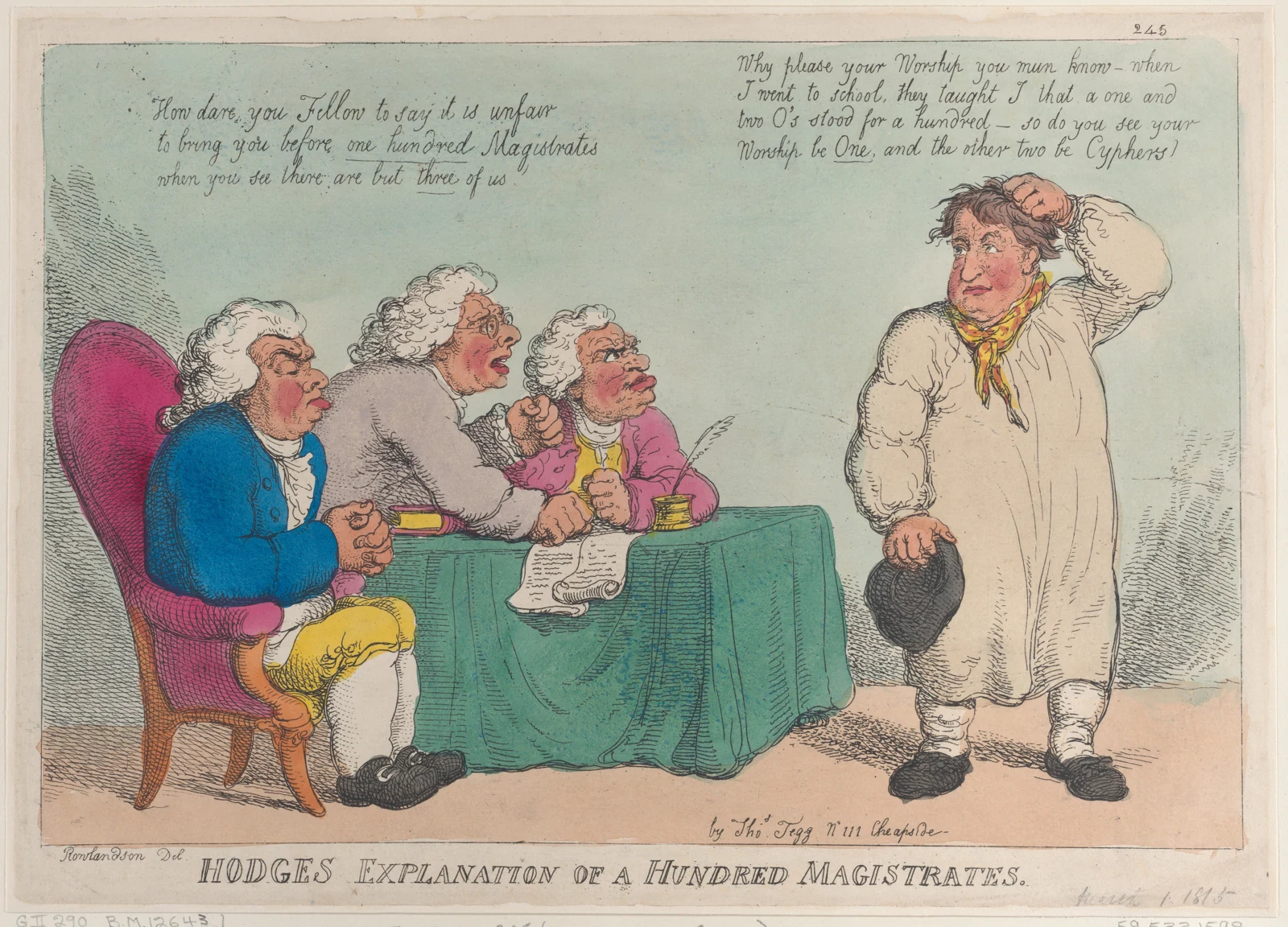
Hotel restaurants that keep cycling through executive chefs may not have a hiring problem. They have a documentation problem — and the next hire is being asked to fix it with the same broken systems.
Five written documents, not a new hire, should exist before a hotel restaurant posts its next executive chef role. Standardized recipes with yields and photos, production pars tied to forecasted covers, a daypart staffing model, a decision map, and the four KPIs the chef will be measured against — that is the minimum documentation, and none of it requires the next chef to exist.
What does a new chef actually inherit?
The new hire is rarely handed a blank slate. They inherit a kitchen where recipes live in a binder nobody opens, pars are set by the last chef's instinct, schedules get built around shift preferences rather than forecasted covers, and accountability for menu, vendor, and overtime decisions splits between the chef, purchasing, and the F&B director.
A capable chef spends the first months reverse-engineering all of it. A great one starts rewriting it. Either way, the hotel pays a senior salary for a period of rediscovery, and the guest experience rarely improves while it happens.
What does turnover actually cost the operation?
Recruitment fees are the visible line. The hidden costs run bigger: the overlap or the gap between chefs, the months of inconsistency while a new leader learns the building, and the line cooks who may leave with the departing chef because their loyalty was personal rather than institutional.
When, as the analysis puts it, "the knowledge of how a kitchen works lives mainly in one person, each departure can feel like a partial closure." The structural risk is not only that the chef left, but that the kitchen was never built to withstand the chef leaving.
What five things should be in writing first?
- Standard recipes and plate specs for every current menu item, with yields, portion weights, and a photograph. Not a perfect library — a current one.
- Production pars tied to forecast covers, not to instinct. The prep list should come from the business, not from memory.
- A staffing model built on covers by daypart. A schedule that can't be explained by volume is hard for a newcomer to defend.
- A decision map for menu changes, vendor changes, overtime, and capital requests. Many chef-versus-F&B-director conflicts come down to two people being told they own the same decision.
- The KPIs the role will be judged on, defined in advance: food cost, labor cost per cover, guest scores for the outlet, and retention of key cooks. Stated before the hire, not discovered at the first review.
What should the first 60 days actually measure?
New F&B leaders are too often evaluated on impressions during their first two months: energy, presence, how the tasting went. Those matter, but they say little about whether the operation is improving.
A more useful frame is measurable. By around day 30, the new chef has confirmed or corrected the written specs and pars, and flagged where reality diverges from paper. By around day 60, the outlet shows early signs of consistency: plate audits against spec, prep waste being tracked, and a schedule that follows the volume curve.
The guiding question shifts from "Do we like them?" to "Is the system tighter than when they arrived?" A leader measured against clear, agreed standards can be coached. A leader measured against a general feeling is harder to develop and easier to replace.
What does this change for the next leadership meeting?
The retention argument runs alongside the economic one. Cooks rarely leave kitchens only because of pay. They also leave because nobody can tell them what good looks like, because the standard changes with every boss, or because the schedule feels arbitrary. A documented kitchen is a steadier place to work, and that matters more every year the labor market stays tight.
Hotels looking ahead to the next search should put a different question on the agenda. Not "Who do we hire?" but "What does the next person inherit?" If the honest answer is "the same kitchen," the property is likely facing a structural problem — and without addressing it, the operation will keep paying for it, one executive chef at a time.
More from Olivia Hart
Show full bio
Staff writer covering regulation, policy and their impact on Restaurant and hotel operations at The Pass Brief.
439 articles