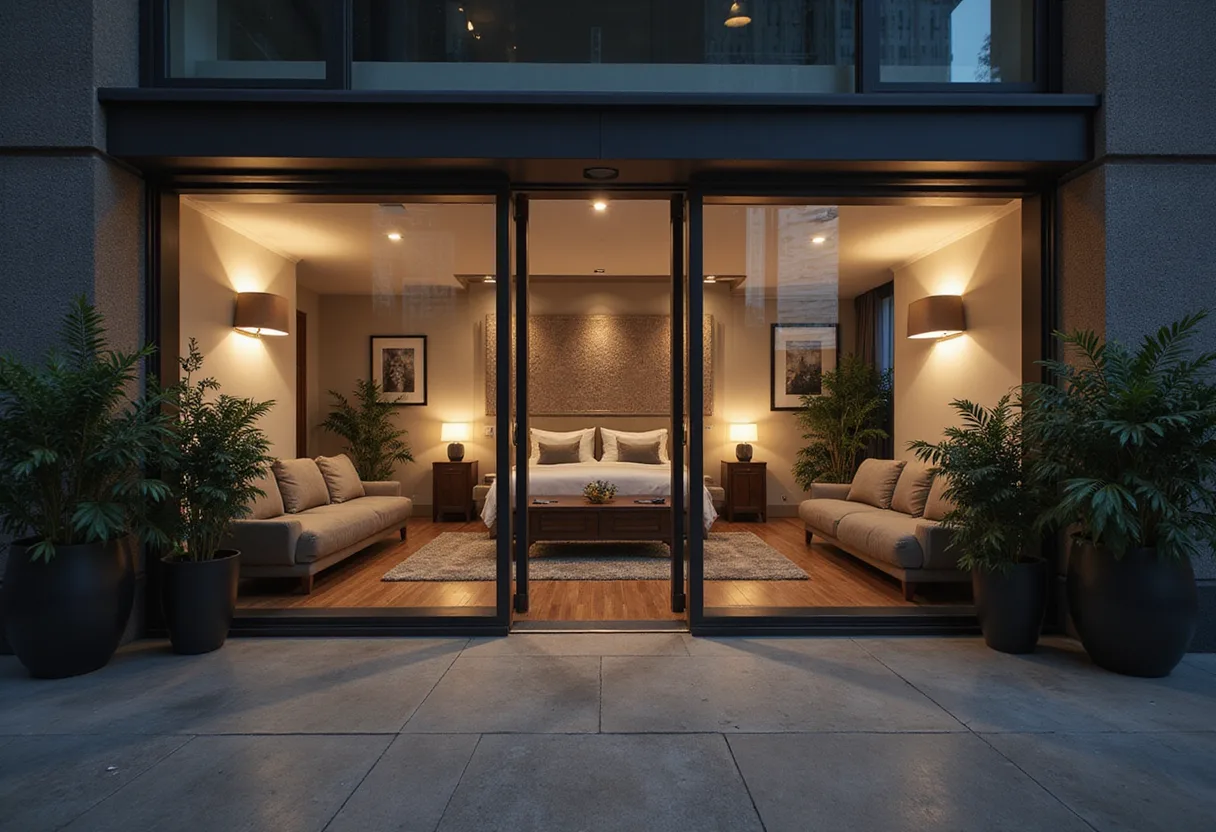
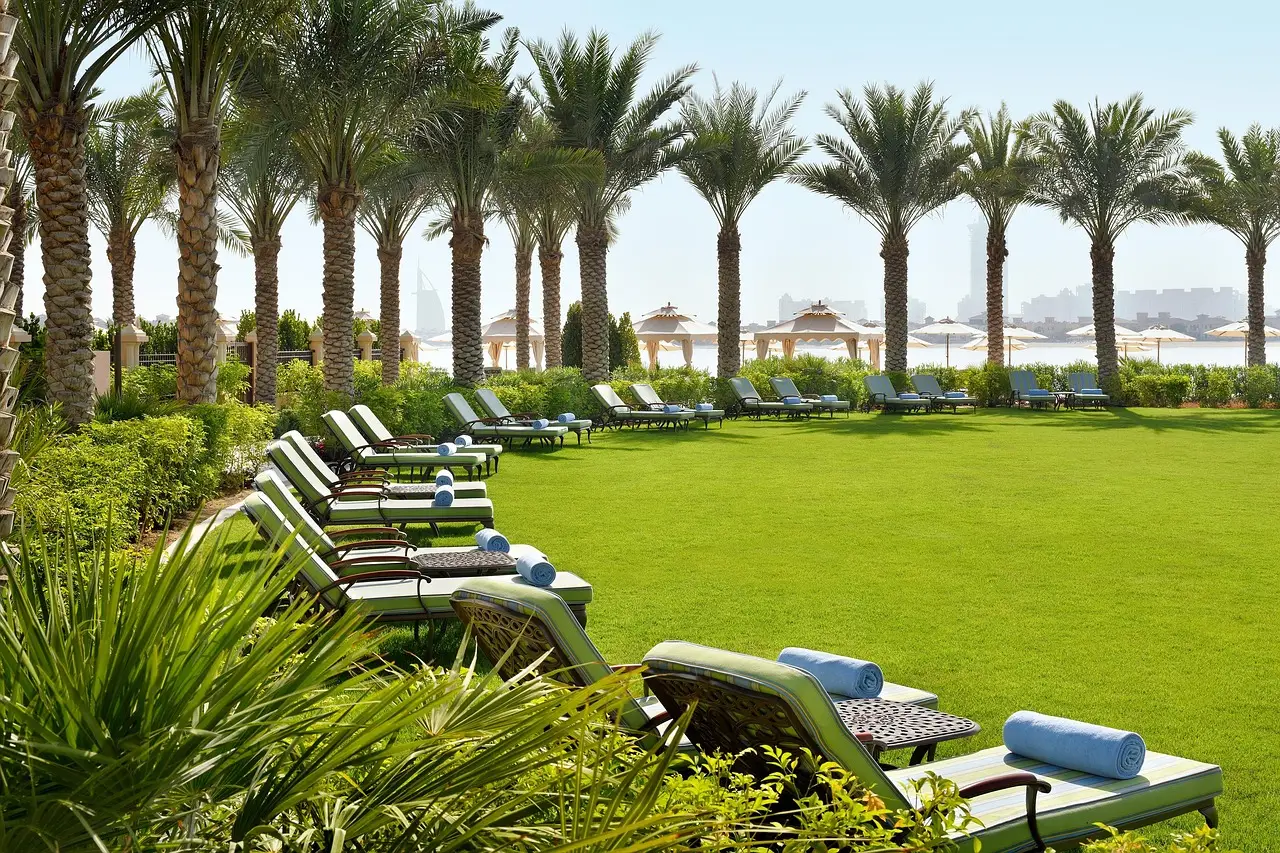
Baoase, a 23-Unit Curaçao Resort, Plans 22 Suites and a Second Property
The 23-unit Baoase Luxury Resort, ranked the Caribbean's No. 1 resort in 2025, is adding 22 suites, a full spa and branded residences while capping capacity at 100 guests.
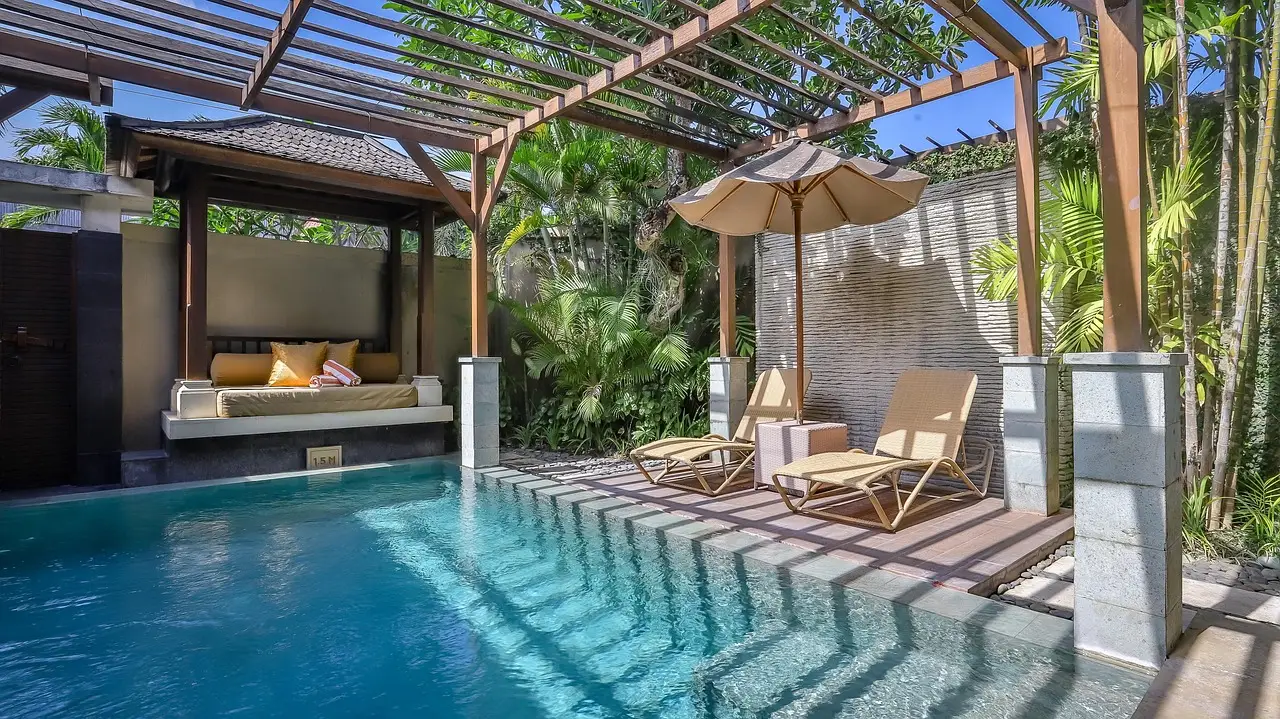
Baoase Luxury Resort operates just 23 accommodations on the Curaçao waterfront, roughly 75 guests at full capacity — and in 2025 that footprint earned it the No. 1 resort ranking in the Caribbean from both Travel + Leisure and Condé Nast Traveler, plus the top hotel in Curaçao spot from U.S. News & World Report for 2026.
The property's economics are unusual: high repeat-guest rates, a real waiting list and essentially no low season, because Curaçao sits outside the hurricane belt. That creates the management problem most hoteliers would envy — narrow maintenance windows and a team that never gets a natural break. Co-directors Niels and Thijs van der Valk run six working days per week rather than seven, and when a specific room needs attention, they tell sales to pull back. "We prefer quality over quantity in that moment," they said in an interview with Adam Mogelonsky.
How a family retreat became a hotel
Father Ad van der Valk, a fourth-generation hotelier in one of the Netherlands' largest hotel families, arrived in Curaçao in 1989 to open a Van der Valk property. In 2002 he bought land in a quiet residential neighborhood and planned five villas for his five children. Within a year none were visiting — they were at university. "He said: I'm going to change it into a hotel and you're going to lose your villa," Niels and Thijs recall. "We think it was on purpose."
The property expanded by buying neighboring plots, phase by phase. The turning point came in 2016 with beachfront pool suites that defined its identity. Sister Jessie and her husband Oliver arrived mid-COVID in 2020 and spent about six years building the five-star operational and commercial systems that made the awards possible. Ad still lives on property for extended stretches and tells guests the same joke he has made for 20 years: "I'm the biggest employee."
The name is B for Bibi, his partner — he built her a lagoon, then Bibi Island — A for Ad, and "oase," Dutch for oasis.
What does the expansion change?
Construction is underway on 14 new oceanfront pool suites in a first phase, followed by eight more, bringing capacity to a deliberate ceiling of approximately 100 guests. The first new suite runs 80 to 90 square meters, more than five meters wide, with technology embedded in the infrastructure rather than on surfaces. As new rooms come online, existing rooms can go offline for deep maintenance without sacrificing revenue.
All construction and renovation is done in-house. "That's also a USP of ours," the brothers say. The practical payoff: institutional knowledge of which woods survive salt air, which adhesives hold in humidity, which fridges resist ocean oxidation. "Even the fridge in the side kitchen can corrode with rust because of the salt in the air."
Culinary economics and the Michelin pipeline
Local fish supply is inconsistent, so the kitchen builds on reliable imported product and uses local catch when quality allows. The training engine is the Viva la Gastronomie series, which brings Michelin-starred chefs from the Netherlands, Belgium and Mexico for one to three nights — one evening counted six or seven accumulated stars in a single kitchen, including participants from three-star De Librije of Zwolle. "Curaçao is not the wealthiest island, and they learn on the job," Niels and Thijs say. Executive chef and F&B director René Klop provided 13 years of continuity.
What comes next?
Three projects run alongside the rooms: a full-scale spa with hammam, sauna, cold plunge and gym expansion ("It's not gonna be a small wellness"); Casa Coma, branded residences with six-bedroom villas of roughly 3,500 to 7,000 square feet, sold and managed by Baoase; and a second Baoase, location undetermined, preceded by a full rebranding exercise.
The brothers project Curaçao's visitor mix will reach approximately 40% Dutch, 30% American and 30% South American and other within five years, supported by direct flights from Atlanta and Toronto. "The world deserves a second Baoase," they say. "You cannot buy this. You need to treat it. And you need to have the time."
More from Elena Vasquez
Show full bio
News editor covering people, launches and day-to-day practice in Restaurant and hotel operations at The Pass Brief.
577 articles