Baemin Publishes AI Playbook With 27 Tools for Restaurant Operators
Woowa Brothers has published a free Baemin AI playbook with 27 copy-paste tools covering marketing, menu development, P&L and review replies, tested in real stores since May 2026.
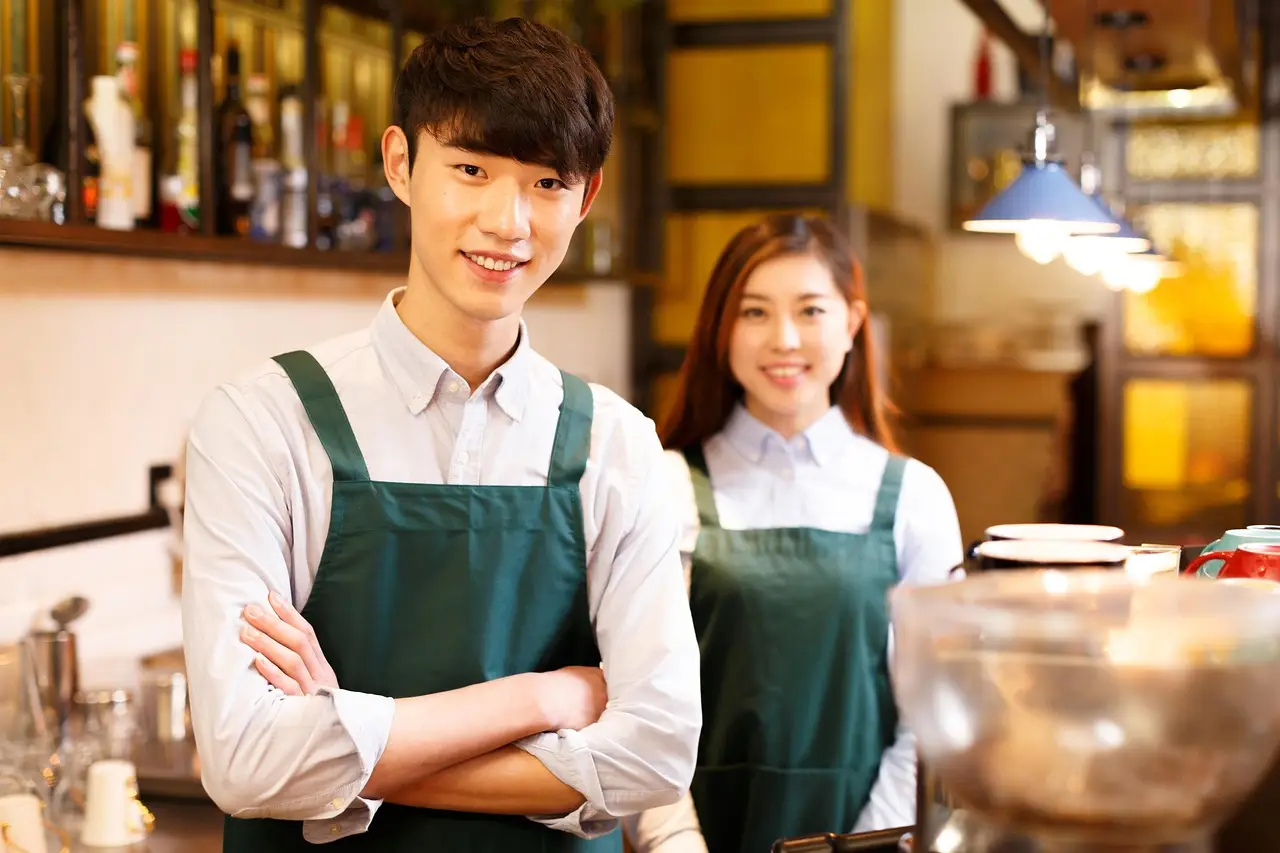
Baemin's operator, Woowa Brothers, opened a free playbook on May 13 that packages 27 ready-to-use AI tools for restaurant owners. The "Baemin Restaurant AI Playbook" lives on the Baemin Academy website and targets a specific gap: merchants who know AI could help their business but don't know where to start.
The toolkit covers four core operational jobs — making store promotional materials, menu development, profit-and-loss management, and writing responses to customer reviews. The design is deliberately low-barrier. A user copies a prompt from the playbook, pastes it into an AI service, then answers the questions the AI asks step by step, following the guide. No separate AI training is required.
What does this change for a merchant's daily workload?
The answer, according to Baemin, is time. Several of the 27 tools are built specifically around Baemin's own platform tasks: store notifications, review replies, and announcement writing. Those are repetitive daily jobs for delivery-focused restaurants in Korea, and the playbook aims to cut the hours and cost spent on them. The logic is straightforward — if AI drafts the review reply or the promotional flyer, the owner spends less of the day on admin.
The tools weren't built in a vacuum. Baemin Academy has been testing them since May 2026 through two programs, "AI Business School" and "AI Practical Camp." In those courses, AI instructors and tech-comfortable partner merchants developed prompts and automation templates together, then applied them in real stores to verify the results before anything went into the playbook.
Why is a delivery platform doing this?
Woowa Brothers frames it as partner economics rather than a product launch. Kwon Yong-gyu, head of Baemin Academy, said: "Many partner merchants know AI helps their business, but they're at a loss about where to start." He added that the goal is to "use AI to raise store operating efficiency and optimize operating costs, so restaurant owners can focus more on customer experience and the essence of service."
That framing matters for how the tools are positioned. Nothing in the playbook replaces Baemin's ordering, delivery, or payment infrastructure — it sits on top of it, aimed at marketing, menu engineering, and back-office work that merchants otherwise handle manually or skip. The platform pays for building and hosting the playbook; merchants pay nothing beyond their time.
For Korea's independent restaurant sector, where delivery platforms like Baemin are a primary sales channel, free operational tooling from the platform itself lowers the entry cost to AI adoption to nearly zero. The bet is that more efficient merchants stay active, run better menus, and answer reviews faster — outcomes that also benefit the marketplace they operate on.
Baemin Academy says it will keep expanding the program as more merchants move through the training courses, with future tools likely to follow the same test-in-real-stores pipeline before release.
More from Olivia Hart
Show full bio
Staff writer covering regulation, policy and their impact on Restaurant and hotel operations at The Pass Brief.
692 articles