Andermatt Takes Seven Michelin Stars, Edging Out Switzerland's Alpine Giants
Andermatt, a Swiss village below the Gotthard pass, now holds seven Michelin stars across four restaurants after The Japanese at The Chedi earned a third star on Nov. 2.
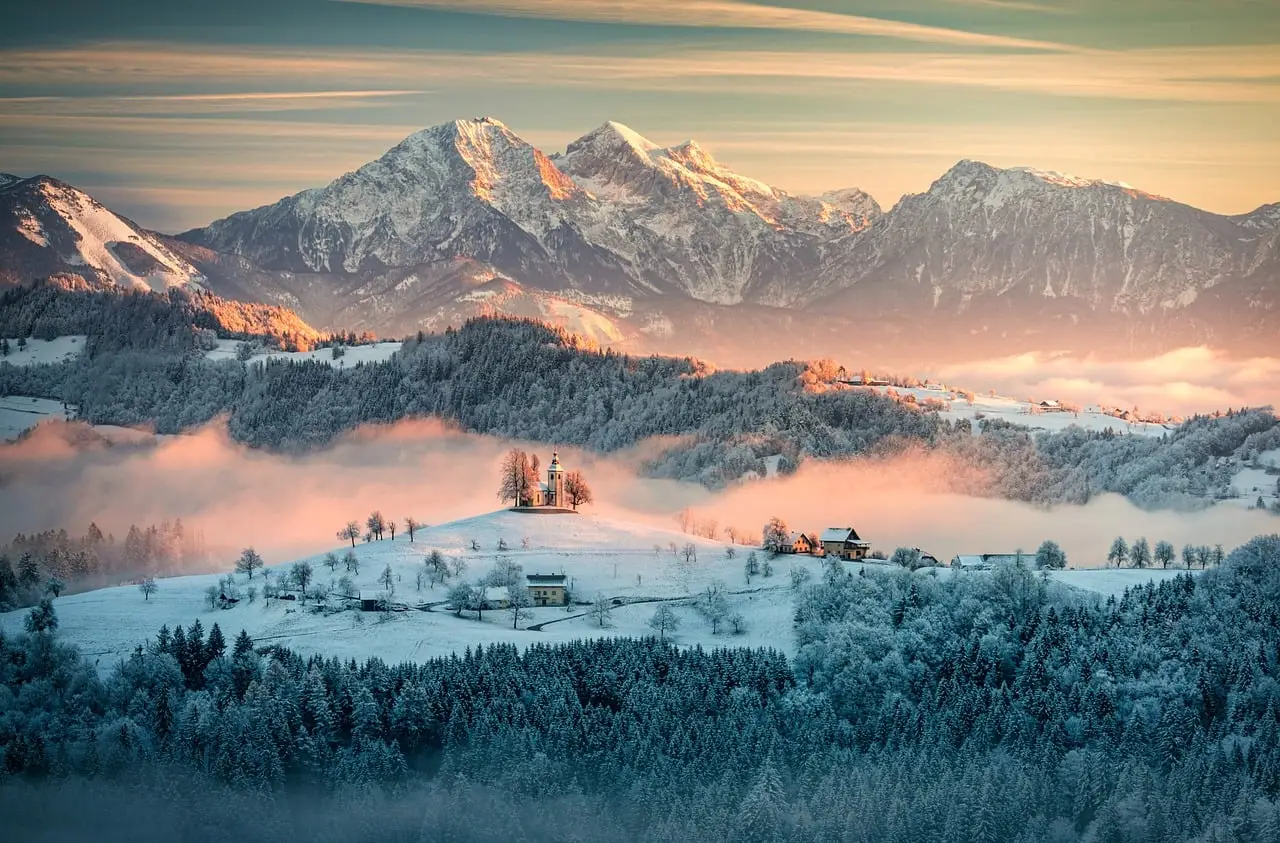
The Swiss village of Andermatt now holds seven Michelin stars across four restaurants, more than any other Alpine destination in Switzerland and level with Basel and Lucerne. The count rose on Nov. 2, when Michelin held its ceremony in Andermatt itself and awarded a third star to The Japanese Restaurant at The Chedi Andermatt.
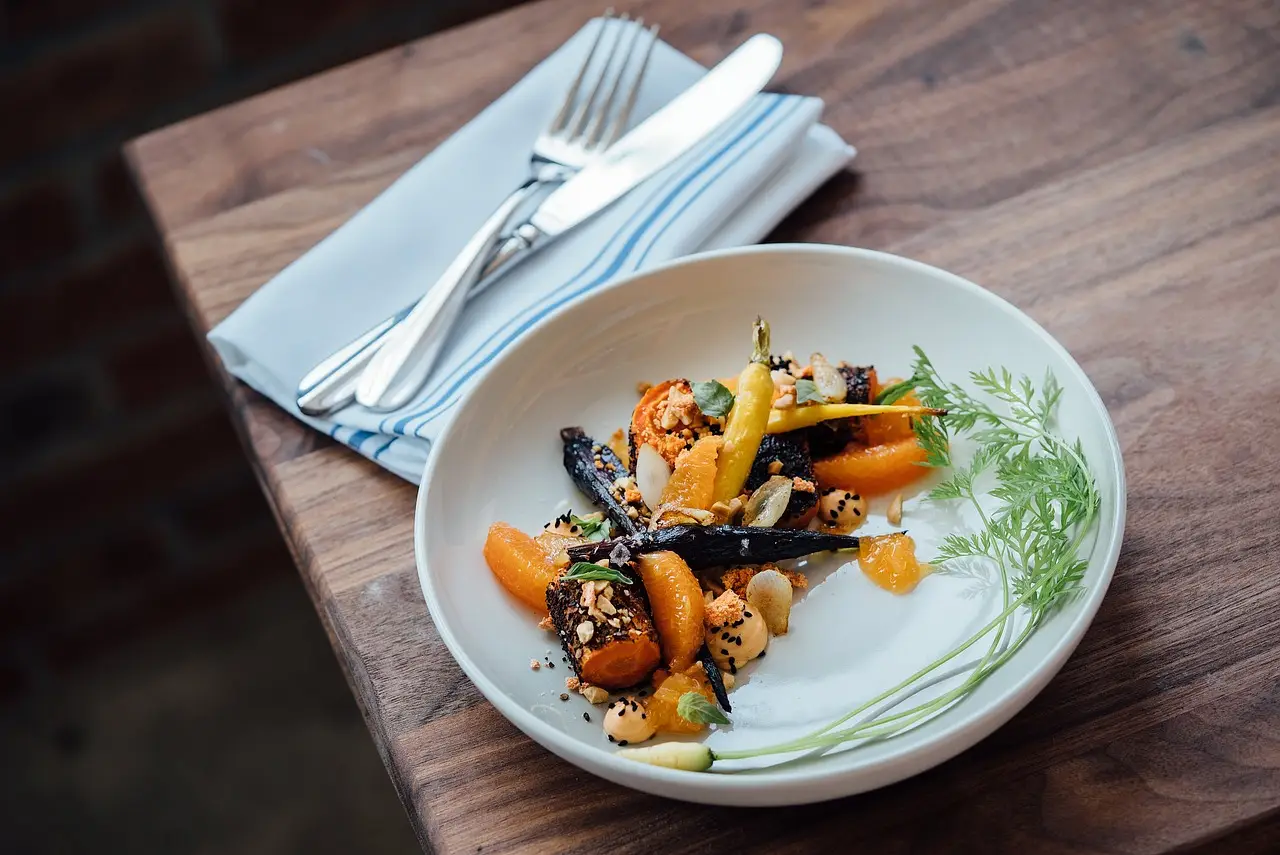
The room is small by luxury standards. It seats 46 guests. It serves a single omakase menu in the kaiseki tradition, applying Japanese technique to Alpine and Swiss produce. The Michelin trajectory is short and steep: one star in 2017, a second in 2023, the third now. The same 2023 season brought chefs Dominik Sato and Fabio Toffolon, twins, the Young Chef Award.
Switzerland counts five three-star restaurants in total. The Japanese Restaurant is the newest and the first in the country built on a Japanese kitchen. Only 133 restaurants earned any stars at all in this year's Swiss guide, which puts Andermatt's seven in sharp relief against a village that spent decades as a stopover in the Ursern Valley below the Gotthard pass.
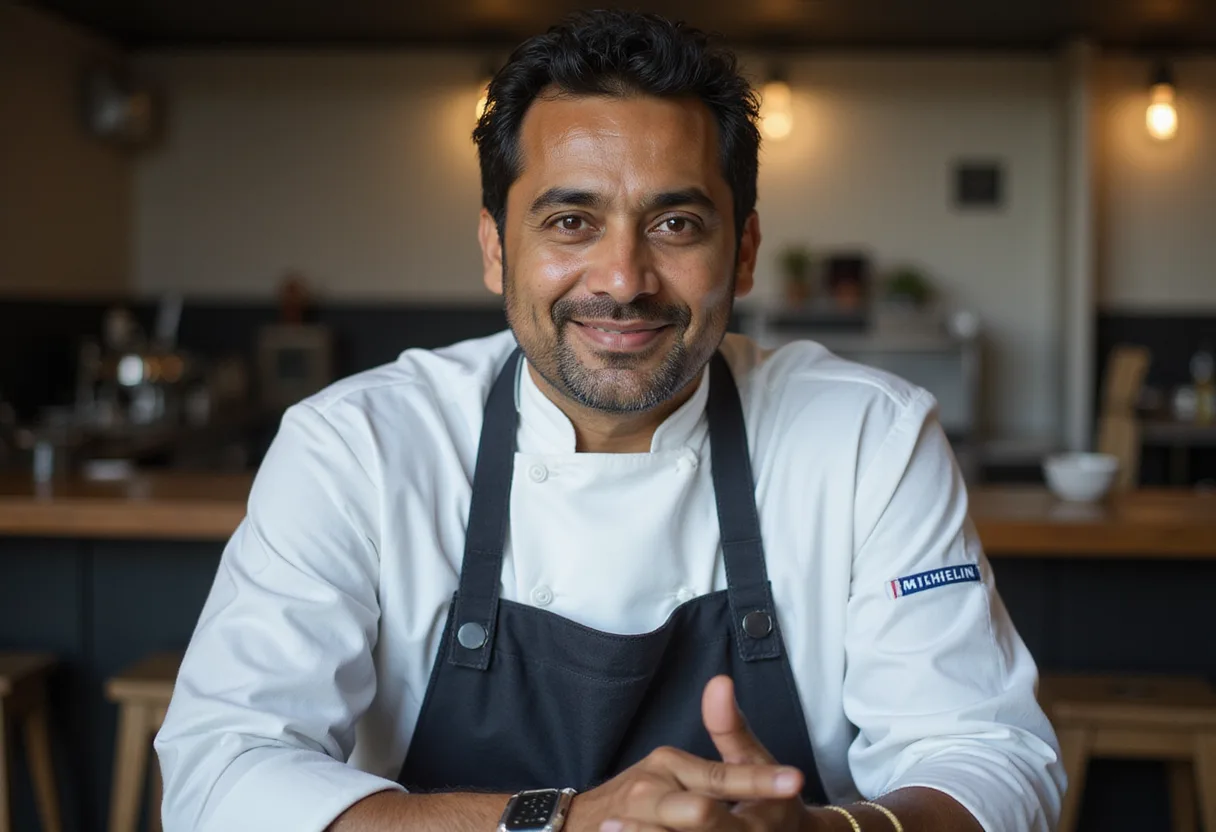
"To receive three stars together, here in Andermatt, is something we never dared to say out loud," Sato said at the ceremony. Toffolon kept the credit inside the kitchen: "This belongs to our whole team, who give everything to every guest, every night."
Where the Other Four Stars Sit
Three more kitchens carry the remaining stars:
- IGNIV by Andreas Caminada at Andermatt Reuss, run by Valentin Sträuli — two stars.
- GÜTSCH by Markus Neff — one star.
- The Japanese at Gütsch, the three-star kitchen's sister restaurant — one star.
Two of those kitchens operate on the Gütsch at 2,344 meters, reached by the Gütsch Express cable car from the valley floor. That altitude places them among the highest Michelin-starred restaurants in Switzerland. The four restaurants together hold 96 points in the Gault&Millau guide, a second reference that corroborates the Michelin verdict.
What Backs the Room
The Chedi Andermatt supplies much of the draw. The five-star hotel opened in 2013. Architect Jean-Michel Gathy designed its 119 rooms and suites to blend Alpine chalet style with Asian design. A spa and several restaurants round out the property, so the hotel anchors a dining destination rather than a single destination restaurant.
The economics sit at the top of the market. Rooms at The Chedi start at 750 Swiss francs a night. The restaurant's tables were hard to book before the third star. Expect that pressure to increase. Three stars typically compress reservation windows and lengthen booking horizons; Michelin does not publish waiting-period data, so the effect here remains unmeasured.
What It Means for the Map
The award redistributes fine-dining gravity within Swiss tourism. Larger, better-known Alpine resorts have not matched this concentration of stars, and Andermatt now competes with mid-size cities rather than with ski towns. For a destination that most international travelers could not previously locate, seven stars across four kitchens is a measurable shift in positioning.
Access remains the constraint. One omakase counter of 46 seats, a cable-car-dependent sister operation at altitude, and a nightly room floor of 750 francs cap the volume this destination can absorb. The stars raise demand; the physical plant limits supply. How the operators price and allocate that scarcity will determine whether Andermatt converts the award into sustained business or a longer reservation queue.
More from Marcus Bennett
Show full bio
Market editor covering technology and product news in Restaurant and hotel operations at The Pass Brief.
829 articles