AKAN bets on depth over scale across three Marrakech hotels
AKAN’s three Marrakech hotels are adding artist residencies, garden-to-menu work and craft programs before pursuing new destinations, with family stewardship shaping expansion.
By Rebecca Stone
AKAN operates three Marrakech hotels, and its next chapter prioritizes deeper cultural programming over a larger room count. The family-owned group comprises El Fenn, Les Deux Tours and La Villa des Orangers, united by Moroccan heritage and generous hospitality.
No room rates, occupancy, margins, capital budgets or opening schedule were disclosed. Cultural depth is the strategy; unit economics remain offstage.
What does family ownership change?
Youssef Benabbès Tâarji, AKAN’s co-founder and head of development and asset management, belongs to its third hotel generation. His great-great-grandfather was Marrakchi; grandfather Ahmed, born in the medina in the 1930s, co-founded Holidays Services in 1973. Father Jalil built the group. Tâarji and cousin Malika, CFO, now lead.
His father took three minutes to answer an email about La Villa des Orangers’ possible sale, without opening a spreadsheet. The family knew Les Deux Tours from years of dining near the Palmeraie and saw El Fenn as a Marrakech landmark. Sentiment wrote the acquisition memo.
Some employees have served more than two decades. Largely Moroccan teams work under Moroccan owners, supporting AKAN’s personal rather than imported hospitality. Tâarji says the group is building for the next generation, not a portfolio to trade.
What distinguishes the three houses?
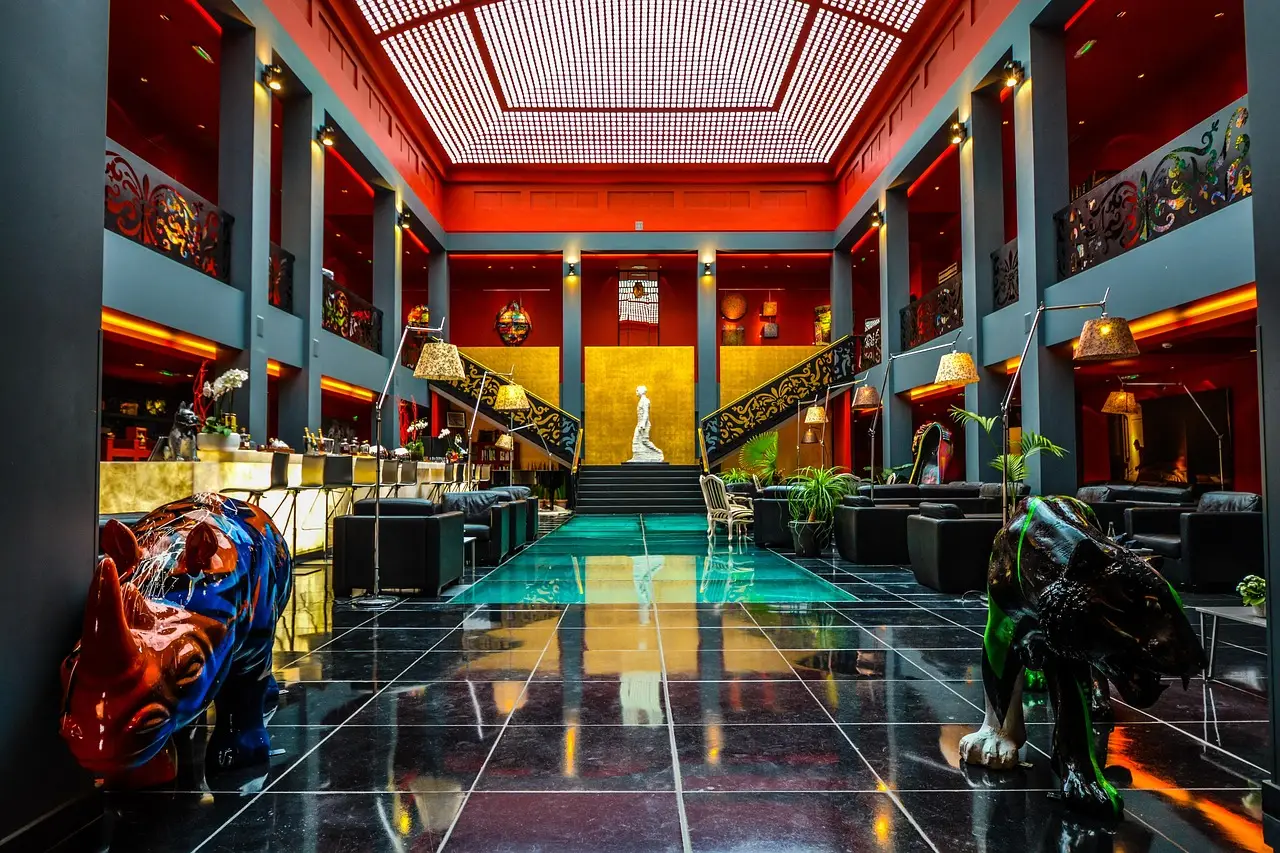
- El Fenn: Art, design and the medina’s energy.
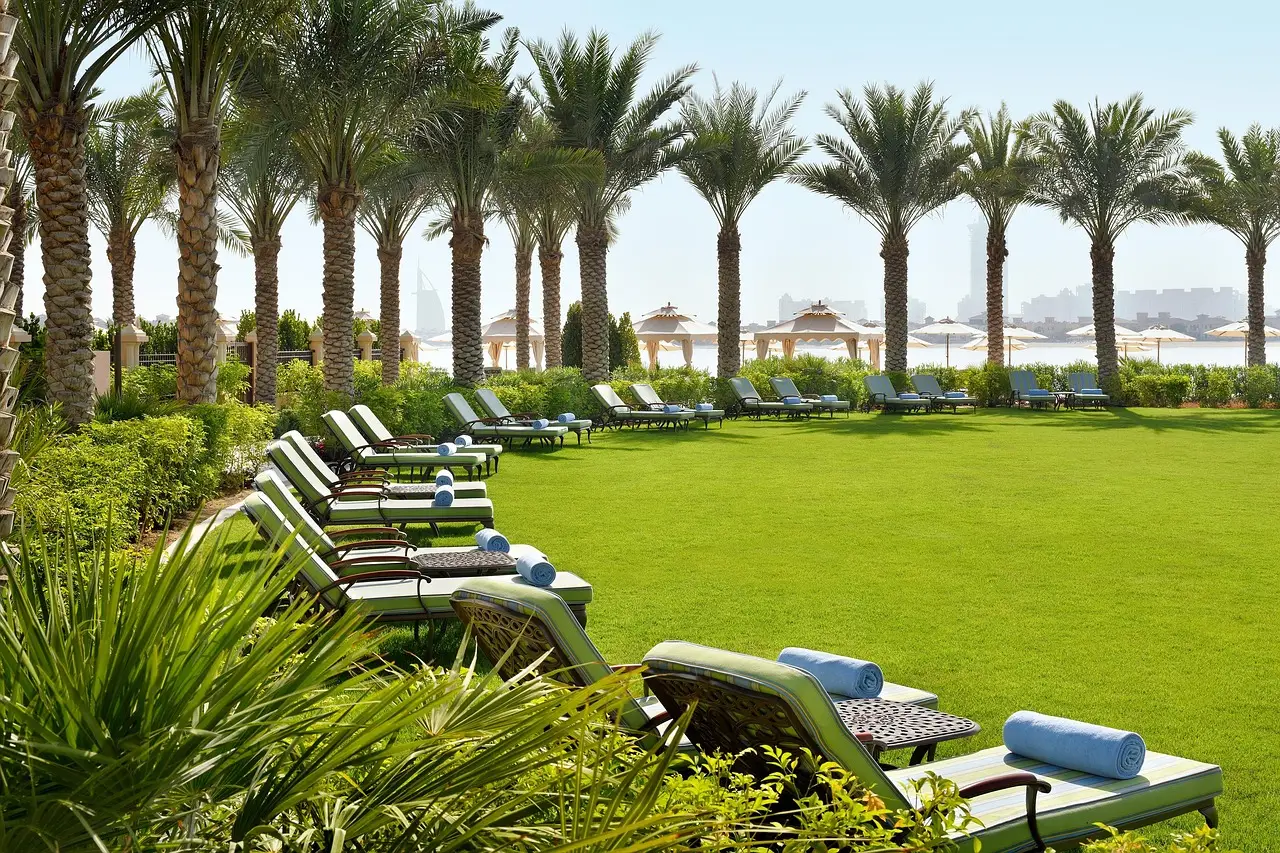
- Les Deux Tours: Architecture, nature and wellness in a quieter part of Marrakech.
- La Villa des Orangers: Classical Marrakchi hospitality, with gastronomy and craft at its center.
Guests meet a master ceramicist, women in a Berber embroidery collective and an artist in residence at El Fenn. AKAN extends the stay into the surrounding culture.
Four values guide the collection: rooted in place, human at heart, generous in spirit and a role as tastemakers and curators. No signature is imported; each house speaks its geography and history. Welcome is an offering, not a service.
Where will growth come from?
Growth has two directions. The immediate work is depth inside the three hotels:
- Expand El Fenn’s cultural program and artist residencies.
- Develop Les Deux Tours’ garden-to-menu work with its chef.
- Deepen La Villa des Orangers’ gastronomy and craft traditions.
- Add collection-wide retreats, a Montresso Art Foundation partnership and hospitality training for Marrakech students focused on heritage crafts.
The programs give back to crafts, the community and the country.
The longer-term ambition spans Marrakech, Essaouira and Fès. Marrakech’s red clay, Essaouira’s whitewashed buildings and Fès’s refined zellige (geometric tile) and stucco would guide properties adding distinct architecture, light and forms of receiving. It is a living portfolio, not a standardized chain; every new house must contribute something missing. No deal was announced.
What are international travelers seeking now?
Tâarji said: “The shift is from spectacle to substance.” He contrasted today’s interest in layered, youthful Morocco with old shorthand of souks, snake charmers and orientalist imagery. Travelers now want to learn.
AKAN points to the 1-54 Contemporary African Art Fair, MACAAL, Musée Yves Saint Laurent, Montresso foundation and El Fenn. Tâarji said they offer a real conversation with the country, not a decorative backdrop.
El Fenn expresses the residential proposition. It began with six rooms in a home and grew over 20 years into eight interconnected riads, or courtyard houses. It feels like staying with a friend with an extraordinary art collection, Vanessa Branson’s original instinct.
Relaxed service demands more care because it must be intuitive, not scripted, Tâarji said. El Fenn’s Sol Sun Days sessions bring guests and Marrakchis together for Sunday-sunset rooftop drinks and a DJ set, without dress code or reservation script.
How is El Fenn changing without losing its identity?
The task is deciding what to protect and evolve. AKAN retains El Fenn’s color, art and sense of home. Branson remains closely involved as cultural ambassador, and her relationships with Marrakech artists remain irreplaceable, according to Tâarji.
During a major summer refurbishment, AKAN commissioned handmade zellige in deep turquoise with traces of red. The technique is 600 years old; the color belongs to El Fenn. Significant investment also is going into energy systems, staff facilities and infrastructure. A house built over 20 years must work for the next 50.
Design is accretion, not one decorative gesture. Art extends from gallery walls into the café, bedrooms and meeting rooms, with sculpture on floors and frescoes by a renowned Moroccan artist enveloping entrance corridors. Hand-stitched leather floors and copper baths function as architecture. Courtyards, light, shade and color remain the brief.
What should the next chapter deliver?
Tâarji said: “That Morocco is a leader in global hospitality, not a backdrop for someone else’s imagination.” He calls AKAN the first luxury boutique collection wholly owned by a Moroccan family, built to compete globally on its own terms.
Its forthcoming Everything Old Is New Again residency, curated by Roger Karera ahead of 1-54, pairs South African ceramicist Zizipho Poswa with Serghini Pottery’s master ceramicists. The exchange extends across art, gastronomy, music and design.
Tâarji rejects Moroccan design as a fixed vocabulary of lanterns, zellige and pastiche, or derivative imitation of older styles. He wants guests to leave with a genuine connection, an emotional imprint and the curiosity to return.
His Marrakech recommendation outside AKAN is Comptoir Darna, known for fusion cuisine, Gnawa mixed with electric guitars and saxophone, oriental dancers and DJ nights. A sensible choice for a city that refuses to stand still.
If AKAN preserves that local authorship, programming can add commercial depth before expansion. Its three-house portfolio remains deliberately small. For now, that is the point.
More from Rebecca Stone
Show full bio
Senior reporter covering technology and product news in Restaurant and hotel operations at The Pass Brief.
711 articles