AI agents placed just 500 Uber Eats orders amid 320 million weekly trips
Uber logged 500 AI-agent delivery orders and four agent-booked rides during a week of roughly 320 million trips. It disclosed no restaurant-margin economics for the channel.
By Rebecca Stone
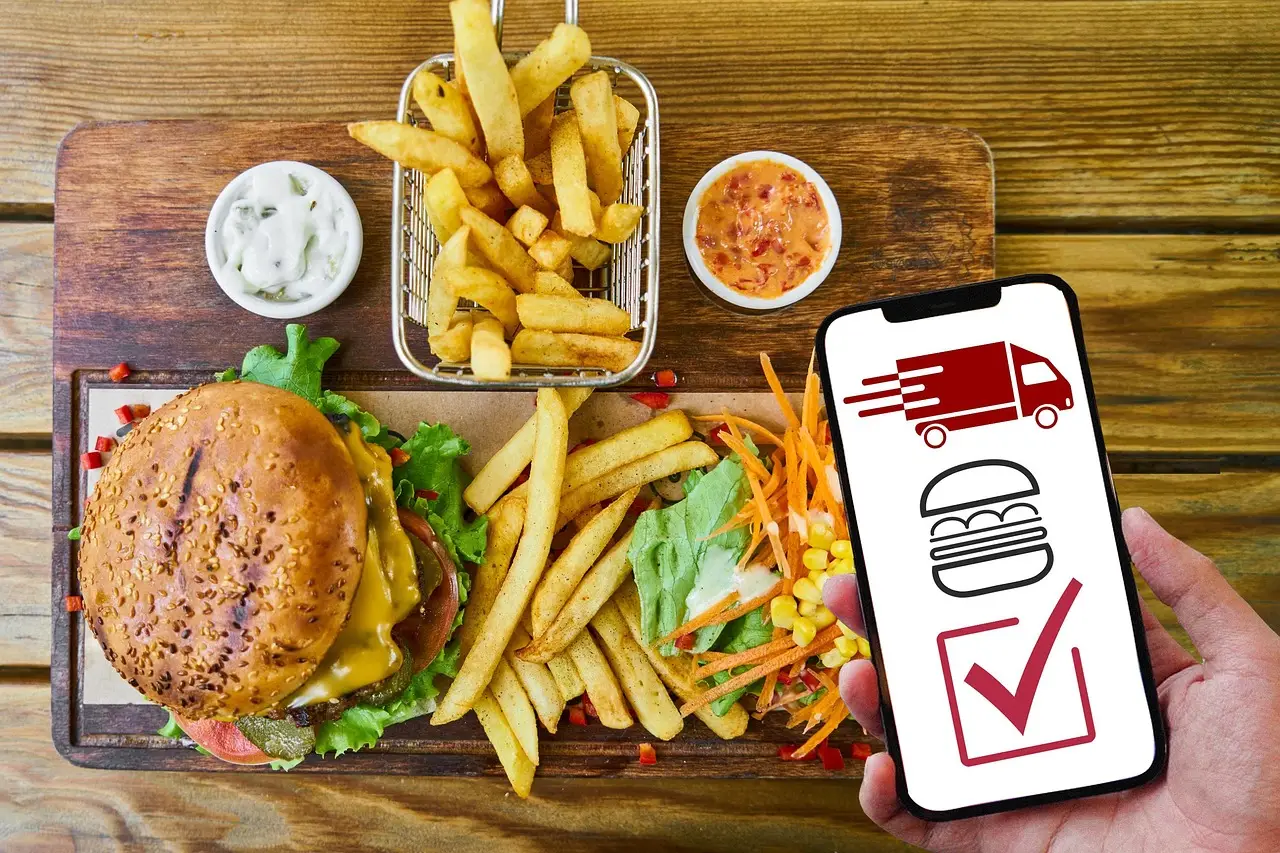
Uber Eats received 500 orders placed by AI agents last week, a week that also included roughly 320 million trips across Uber’s ride-hailing and food delivery services, according to the company.
Uber also logged four agent-booked rides last week, which the company said represented 0.00015% of all trips. Those figures make agent ordering look negligible rather than transformational. On the disclosed volume, AI agents (software assistants that carry out online tasks) remain more a technical demonstration than a meaningful demand channel at scale.
How much traction do AI agents have?
The figures came Wednesday on an Uber earnings call. “It’s very, very early and very limited traction that we’ve seen so far,” CFO Balaji Krishnamurthy said.
The recent product wave includes Meta’s Muse, OpenAI’s Dots, Instinct and others. Users can connect these virtual assistants to personal accounts, including email and banking, then ask them to schedule appointments, make reservations or complete routine online tasks.
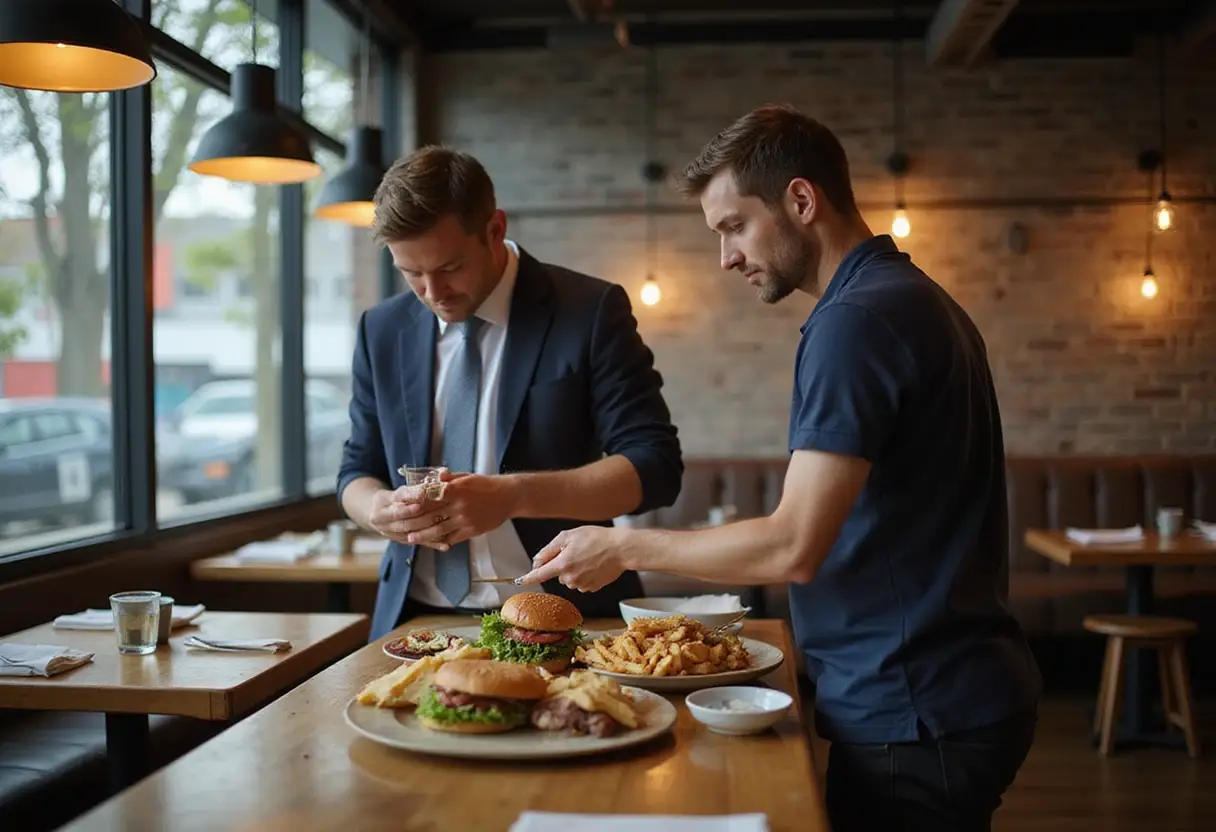
Restaurant Business, an NRN sister publication, recently used Muse to order delivery from Pizza Hut. The agent browsed Pizza Hut’s website, placed the order and processed the payment. The demonstration proves the transaction can work. It says nothing about how many consumers will use it, or how often.
The technology replaces a customer’s manual search, order and payment steps. The disclosed material identifies no agent fee, commission structure or payer, so operators cannot yet compare the channel’s cost with a conventional app order.
Can agents take sales from delivery apps?
That question now sits alongside concern that agents could divert business from Uber Eats and DoorDash. Both companies argue that their apps still provide a better and faster experience than a separate agent interface.
“We make sure that coming to Uber doesn’t require a bunch of toil,” Uber CEO Dara Khosrowshahi said. “You can get in, you can get out. And because of the data that we have … we think we’re going to have a ton of people come direct to our site.”
Khosrowshahi’s argument rests on a measurable speed claim. The median time for a customer to reorder a meal on the Uber Eats app is 90 seconds, he said. Uber is also developing its own AI agents to speed the process further.
Uber’s 90-second reorder metric frames the operator proposition: a shorter route from intention to checkout can reduce friction, preserve data collected directly by the platform and keep payment and delivery inside one system. The disclosed sample of 500 delivery orders does not show whether agent users spend more, order more often or cost less to acquire than app users.
Where does DoorDash stand on agent ordering?
DoorDash CEO Tony Xu has made a similar case. He says AI can help consumers browse and order, while delivery apps manage the process from end to end. DoorDash has also launched Ask DoorDash and Text DoorDash.
For now, both companies describe outside agents as an additional way to find customers, while arguing that their own apps remain the faster and more complete route for the transaction. Neither major delivery platform plans to exclude outside agents.
Khosrowshahi said he hoped for more traction while insisting that Uber’s direct services would remain the most delightful and easy and that the company would work with third parties.
That is a pragmatic posture without disclosed sales targets. Neither Uber nor DoorDash supplied agent-order economics, including average check (the amount an average customer spends), fee structure, restaurant margin or labor impact.
For operators, the disclosed figures provide no basis for changing menu pricing, sourcing or staffing. The immediate economic question is volume, followed by the cost of serving each order.
What would change the restaurant calculus?
Agent ordering still needs to become a repeated customer habit. The 500 delivery orders and four rides show capability and a measurable starting point, not a forecast. Restaurant Business has shown that one Pizza Hut order can be completed; restaurants now need evidence that consumers will place many such orders at useful frequency.
For restaurant operators, the practical watchpoint is order flow through third-party interfaces, without assuming that every agent order carries the same fees and restaurant margins as a conventional app order. A useful disclosure would include average agent order value, delivery fees, commission costs and whether the order remains attributable to the restaurant’s owned channel.
The next test is not whether an agent can place a payment. It is whether hundreds of weekly orders become a material volume without compromising the 90-second direct-app reorder path Uber is trying to protect.
More from Rebecca Stone
Show full bio
Senior reporter covering technology and product news in Restaurant and hotel operations at The Pass Brief.
584 articles