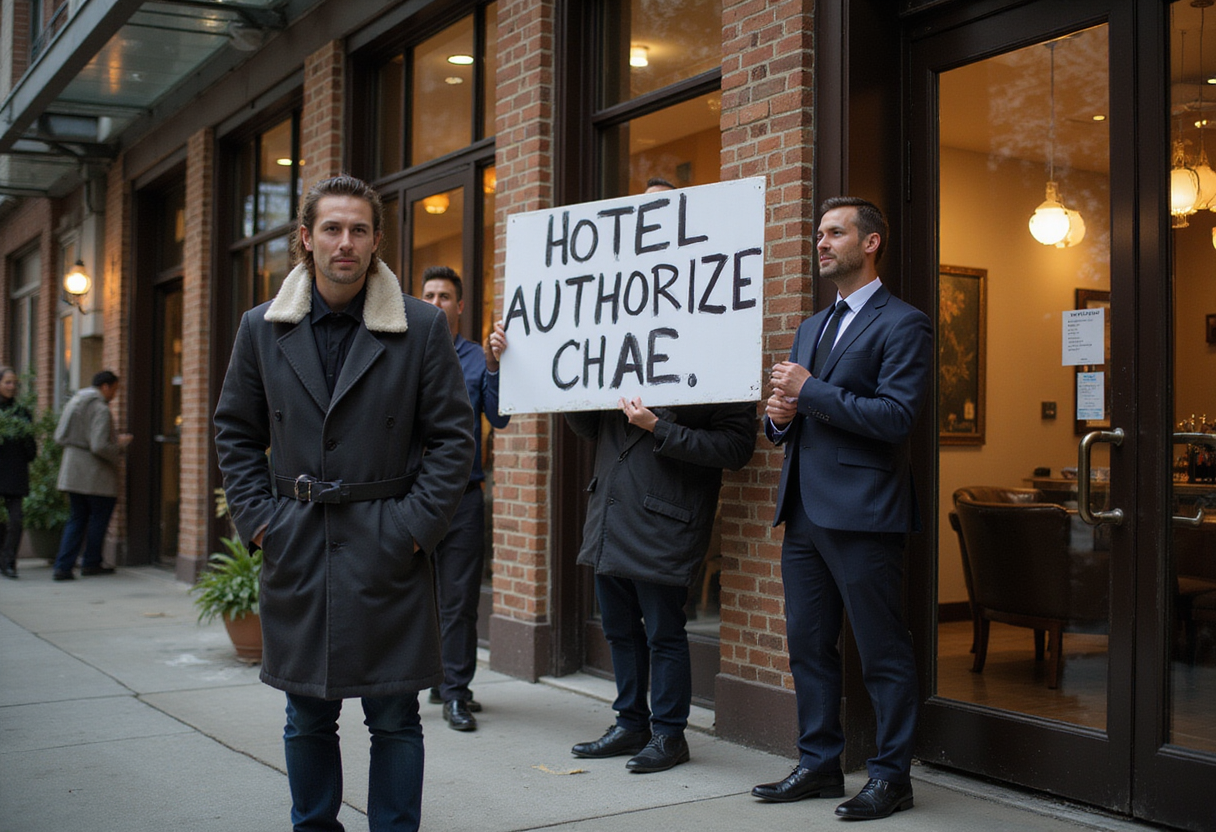
7,000 Chicago Hotel Workers Authorize Strike Across 50 Downtown Hotels
Roughly 7,000 hotel workers across nearly 50 downtown Chicago properties have voted to authorize a strike, handing negotiators authority to call a walkout as contract talks reach a critical phase.
By Daniel Okafor
The number is 7,000. That is the count of Chicago hotel workers who voted yes on a strike authorization across nearly 50 downtown properties, according to reporting from The Real Deal. The result hands the workers' bargaining committee the green light to call a walkout — no date yet, no published list of demands, no public deadline on contracts.
What operators do next matters more than what the vote itself says. A strike during peak convention season or summer tourism would crater banquet revenue, interrupt group bookings and force last-minute cancellations on the very reservations that anchor downtown margins. The affected cluster sits where Chicago's corporate and meeting business lives — and disruption costs in that segment run higher than almost anywhere else in the country.
What does a strike authorization actually do?
It's permission, not a strike. Workers vote to give their negotiating team the authority to call one if talks stall. Most collective-bargaining agreements carry a no-strike clause that expires when the contract ends, so the practical risk window opens on whatever date the current deals lapse.
Until then, public rooms stay quiet. Operators typically manage authorized-but-not-called strikes the same way they manage weather risk: pre-positioning contingency communications, flagging group bookings, and clearing perishable inventory from food-and-beverage outlets where a walkout would hit hardest.
What changes for hotel operators now?
Three things shift once 7,000 workers have said yes:
- Negotiators for the operators must weight the credibility of a walkout when sizing wage, healthcare and workload offers.
- Property-level general managers begin contingency planning — sales outreach to group clients, attrition-clause activations, and inventory freezes on F&B perishables.
- Brand-level decisions on whether to allow managed or franchised properties to lock out workers before any strike begins.
For meeting planners holding downtown bookings, expect hotels to reach out before contracts force their hand. Most major group contracts include force-majeure language that triggers on labor stoppages, but cancellations and relocations land on the planner either way.
Where this goes next
The next hard date is contract expiration — a figure not yet confirmed in published reporting. Workers and operators typically push the heaviest negotiation into the final 72 hours before expiration. Until then, expect public restraint from both sides, internal planning from operators who cannot afford to wait, and quiet contact between the union and the brands whose names will appear on every news camera if a walkout begins.
The 7,000 workers now hold the only document that matters: signed permission to walk. Whether they use it depends on what reaches the table in the weeks ahead.
More from Daniel Okafor
Show full bio
Correspondent covering companies, deals and strategy in Restaurant and hotel operations at The Pass Brief.
330 articles